What is Zigbee Door Lock and How Does it Work?
The Zigbee Door Lock represents a significant advancement in smart home security. According to a report by Grand View Research, the global smart lock market is projected to reach $2.29 billion by 2025, driven by increasing consumer demand for enhanced security measures. Zigbee technology plays a crucial role in this evolution, providing a reliable and efficient network for communication between devices. Zigbee's low power consumption and long-range capabilities make it ideal for home security applications.
Despite this progress, the integration of Zigbee Door Locks into residential settings is not without challenges. Users often report concerns about compatibility with existing systems and the potential learning curve involved in using smart locks. Data from Statista emphasizes that 72% of homeowners are hesitant to adopt smart locks due to security anxieties. This reveals an opportunity for manufacturers to address these issues while promoting the robustness of Zigbee technology.
Education and awareness are vital in shifting perceptions. As the market matures, we must consider ongoing vulnerabilities and user experiences. The future of home security lies in innovations like the Zigbee Door Lock, yet continuous improvement and user trust are critical for its success.
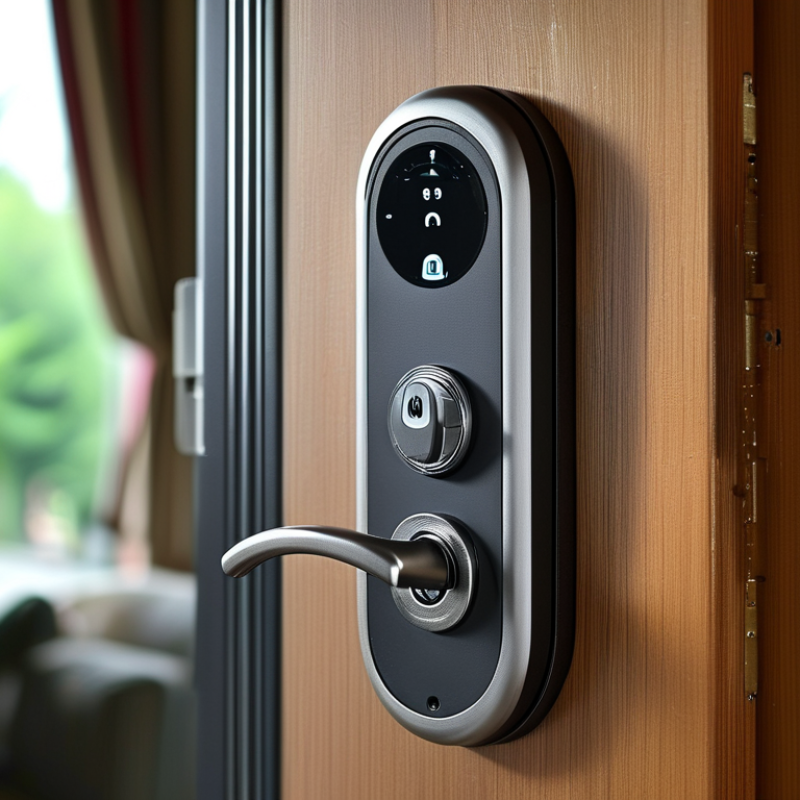
What is Zigbee Technology in Smart Lock Systems?
Zigbee technology is a key player in smart lock systems, providing efficient wireless communication. It uses low-power radio frequency to connect devices. The technology operates in the 2.4 GHz frequency band, allowing multiple devices to communicate without interference. This connectivity is crucial for smart door locks, enabling seamless access control.
Smart locks leverage Zigbee for enhanced features. Users can lock or unlock doors remotely using a smartphone app. Zigbee's mesh network allows multiple smart devices to relay signals, improving range and reliability. This creates a more robust communication system for security.
**Tip:** Ensure your Zigbee smart lock is updated regularly. Software updates enhance security features and improve connectivity.
Zigbee technology also emphasizes energy efficiency, making devices last longer on battery power. However, interference from walls or other electronic devices might pose a challenge in certain setups. Users should consider the placement of locks to maximize effectiveness.
**Tip:** Test the lock's response in various locations to find the best spot for connectivity.
It is essential to understand that while Zigbee provides convenience, no technology is infallible. Regularly monitoring access logs can help users detect any suspicious activity and address potential vulnerabilities.
Key Features of Zigbee Door Locks
Zigbee door locks are increasingly popular for smart homes. These locks use Zigbee technology to connect wirelessly, allowing for remote access. One of the key features is their ability to integrate with other smart devices. You can control your door lock from your smartphone or tablet. This feature enhances convenience significantly.
Another important aspect is security. Zigbee locks often include encryption to protect your data. However, not all models are equally secure. It's essential to research and choose wisely. Some locks can also send alerts when someone tries to tamper with them. This gives homeowners peace of mind.
Battery life is another consideration. Many Zigbee locks run on battery power, which can last several months. Some locks even have low-battery alerts. A drawback, however, is that battery replacements might be necessary more frequently than expected. Overall, these locks are a blend of convenience and security, but careful selection is crucial for optimal performance.
How Zigbee Door Locks Enhance Home Security
Zigbee door locks significantly boost home security through advanced technology. These locks operate on a wireless protocol that creates a secure communication network. Users can unlock doors remotely via smartphones, which is both convenient and practical. The ability to control access from anywhere adds a layer of flexibility many homeowners appreciate.
However, there are considerations when implementing these locks. While Zigbee technology is designed to be secure, no system is entirely foolproof. Homeowners must ensure their network is set up correctly. Weak passwords or outdated firmware can expose vulnerabilities. Regular updates and strong security practices are essential for maintaining a robust home defense.
The integration of Zigbee door locks with other smart devices offers additional security benefits. For instance, they can work with security cameras or alarm systems, providing real-time monitoring. This interconnected system allows for immediate alerts if unusual activity is detected. Although technology enhances security, it also requires ongoing vigilance from users. Relying solely on smart technology can lead to complacency, so homeowners should remain proactive in their security measures.
Installation Process for Zigbee Door Locks
Installing a Zigbee door lock can enhance your home security significantly. The process begins with gathering the necessary tools. You’ll need a screwdriver, a drill, and possibly a measuring tape. Reading the manufacturer's instructions is essential. Every model may have unique requirements.
Once you're ready, remove the existing lock. This step can be tricky, especially in older doors. Ensure you keep track of screws and parts. After that, you can install the new Zigbee lock. It usually fits into the same space, but be prepared for adjustments. Some locks may require a different size hole.
After installation, connecting the lock to your Zigbee hub is next. This can sometimes be a challenge. Follow the prompts on the app carefully. Make sure your phone's Bluetooth is enabled. Testing the lock multiple times is wise to ensure it works seamlessly. If it's unreliable, revisit the installation steps. A secure lock is crucial for your home safety, and any shortcomings must be addressed promptly.
Benefits of Using Zigbee Door Locks Over Traditional Locks
Zigbee door locks offer numerous advantages compared to traditional locks. One major benefit is the ability to integrate seamlessly with smart home systems. According to a recent market report, over 30% of households in developed nations utilize smart home technology. Zigbee locks enable users to control access remotely, enhancing convenience and security.
Additionally, Zigbee technology operates on low power consumption. This means longer battery life for devices, reducing the frequency of replacements. Studies from the Consumer Technology Association indicate that smart security devices could reduce residential burglary rates by as much as 30%. A well-implemented system increases homeowner peace of mind.
However, these locks can present challenges. They rely on a stable network connection. If the network is disrupted, access may become problematic. Users also need to consider the initial setup complexity. Proper installation and configuration are crucial for optimal operation. Perfect reliability is not guaranteed.
What is Zigbee Door Lock and How Does it Work? - Benefits of Using Zigbee Door Locks Over Traditional Locks
| Feature | Zigbee Door Lock | Traditional Door Lock |
| Connectivity | Wireless via Zigbee | Wired Mechanism |
| Remote Access | Yes, via smartphone | No |
| Energy Efficiency | Low power consumption | Depends on key usage |
| Security Features | Encryption & alert notifications | Standard locking mechanism |
| Installation | Easy, often DIY | Requires professional installation |
| User Management | Multiple user codes | Single key access |