What is Vinyl Floor Covering and Why Should You Choose It for Your Home
Vinyl floor covering has emerged as a popular choice for homeowners seeking a blend of durability, style, and affordability. According to industry expert John Anderson, a leading flooring consultant, "Vinyl floor covering offers unmatched versatility and can mimic the look of natural materials without the high maintenance." This combination of aesthetic appeal and practical functionality has made vinyl flooring a go-to option for various living spaces, from kitchens to bedrooms.
As homeowners increasingly prioritize both style and functionality in their interior design choices, vinyl floor covering stands out not just for its resilience, but also for its ability to enhance the overall ambiance of a home. Available in an array of designs and textures, it caters to a wide range of tastes, making it suitable for any décor theme. Its moisture resistance and ease of installation further solidify its reputation as a top contender in the flooring market.
Choosing vinyl floor covering means investing in a product that not only meets the rigorous demands of daily life but also elevates the beauty of your home. With advancements in technology, modern vinyl flooring mimics the intricate details of wood and stone, ensuring that aesthetic compromise is a thing of the past. In an era where function meets style, vinyl floor covering is undoubtedly a choice worthy of consideration.
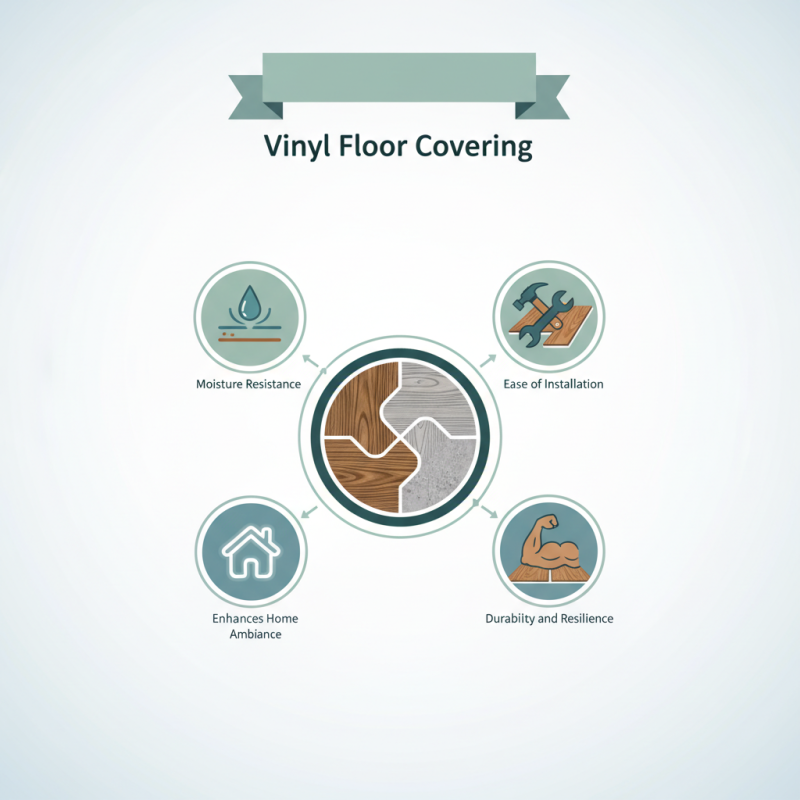
What is Vinyl Floor Covering?
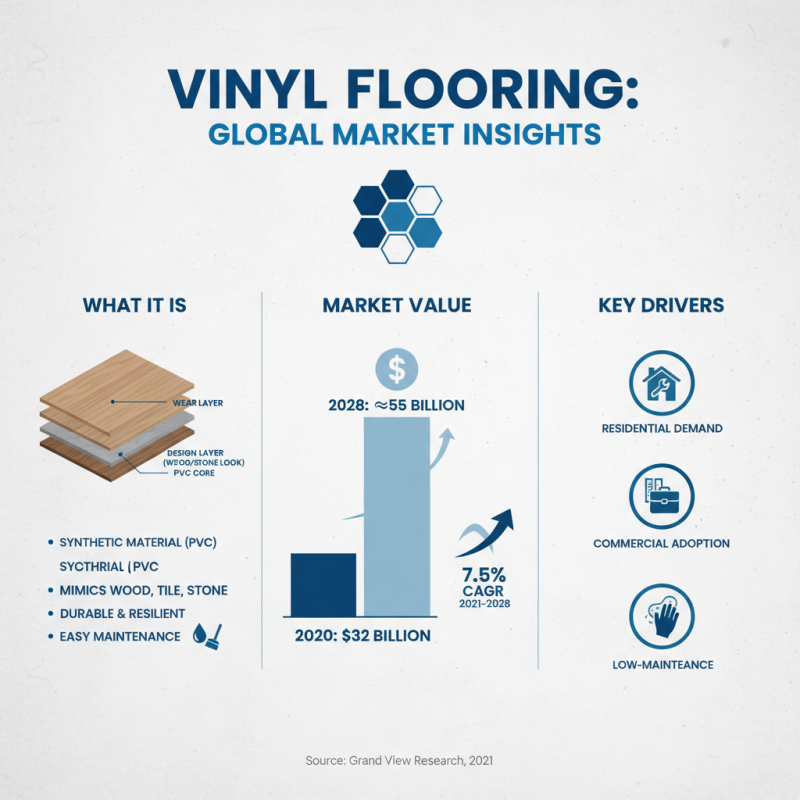
Vinyl floor covering is a popular flooring option made from synthetic materials, specifically polyvinyl chloride (PVC). This durable product is designed to mimic the appearance of natural materials such as hardwood, tile, or stone, while providing the benefits of resilience and easy maintenance. According to a report by Grand View Research, the global vinyl flooring market was valued at approximately $32 billion in 2020, with expectations to grow at a compound annual growth rate (CAGR) of around 7.5% from 2021 to 2028. This growth can be attributed to an increasing preference for low-maintenance flooring solutions in residential and commercial settings.
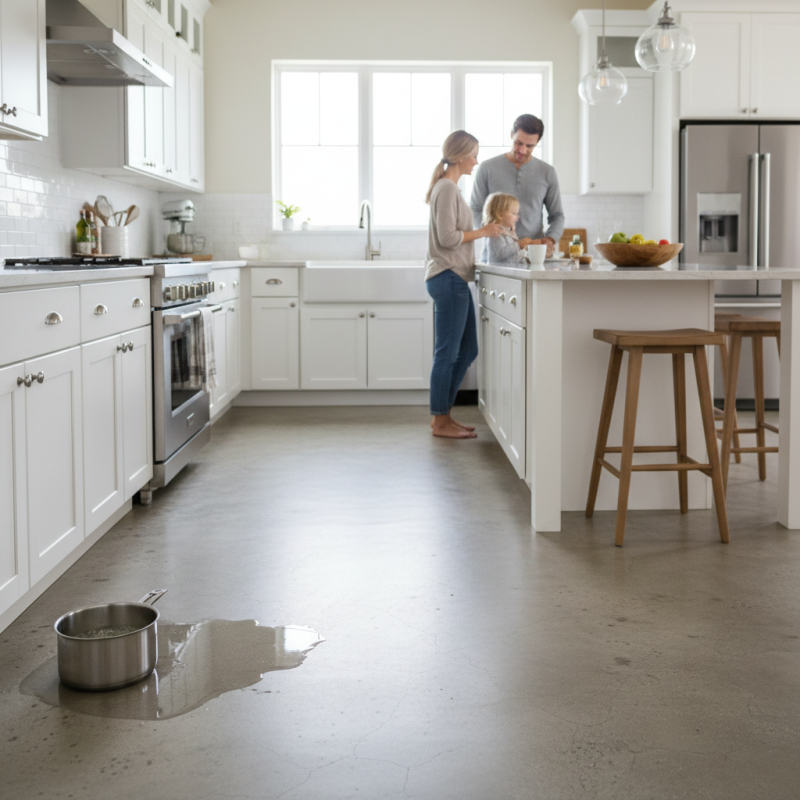
The appeal of vinyl flooring lies in its versatility and cost-effectiveness. Available in a wide variety of styles, colors, and textures, vinyl can seamlessly fit into any decor scheme, making it suitable for different areas of the home, from kitchens to living rooms. In addition to aesthetic flexibility, vinyl flooring is known for its resistance to moisture, making it an excellent option for spaces prone to spills or humidity. The Resilient Floor Covering Institute states that vinyl is one of the most resilient flooring materials, showing strong durability against scratches and dents. This is especially advantageous for families with children or pets, where the wear and tear of flooring can be a significant concern.
Types of Vinyl Flooring Available for Home Use
Vinyl flooring has gained popularity in residential settings due to its versatility, durability, and affordability. There are several types of vinyl flooring available, each suited to different aesthetic preferences and functional requirements. The most common types include vinyl sheets, vinyl tiles, and vinyl planks. According to a report by Research and Markets, the global vinyl flooring market is projected to grow at a CAGR of 6.9% from 2021 to 2026, indicating a robust demand for various types of vinyl products among homeowners.
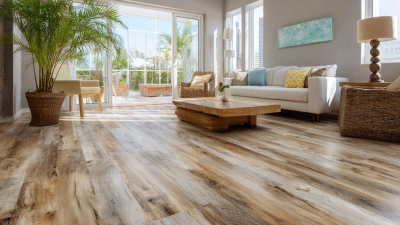
Vinyl sheets typically offer a seamless and water-resistant surface, making them ideal for kitchens and bathrooms. They come in large rolls and are easy to install, which reduces labor costs. Vinyl tiles, on the other hand, provide the look of ceramic or stone without the higher price tag. They are available in various designs and can be replaced individually if damaged. Vinyl planks mimic the appearance of hardwood and offer the warmth and texture of wood flooring, making them popular in living areas and bedrooms. According to the American Floorcovering Alliance, vinyl planks hold a significant market share, reflecting consumer preference for wood-like aesthetics combined with the practical benefits of vinyl materials. These diverse options cater to various homeowner needs while enhancing the overall appeal of residential spaces.
Advantages of Choosing Vinyl Floor Covering for Your Home
Vinyl floor covering has gained immense popularity among homeowners, thanks to its numerous advantages. One of the primary benefits is its exceptional durability. According to a report by the Resilient Floor Covering Institute, vinyl flooring can last 10 to 20 years with proper maintenance, making it a cost-effective option in the long run. It's resistant to scratches, dents, and stains, making it suitable for high-traffic areas in the home, from entryways to kitchens.
Another significant advantage is its versatility in design. Vinyl flooring is available in a wide range of colors, patterns, and textures, allowing homeowners to achieve the desired look for their space without breaking the bank. Recent trends indicate that designs mimicking natural materials, such as hardwood and stone, are particularly in demand, providing aesthetics that can elevate any room’s ambiance.
Tips for maintaining your vinyl flooring include sweeping or vacuuming regularly to prevent grit accumulation and using a damp mop with a suitable cleaner to keep the surface sparkling. Avoid the use of abrasive tools that could scratch the surface, and consider placing mats at entry points to minimize dirt and wear. Following these simple maintenance practices can significantly extend the life of your vinyl flooring while keeping it looking fresh and new.
What is Vinyl Floor Covering and Why Should You Choose It for Your Home - Advantages of Choosing Vinyl Floor Covering for Your Home
| Feature |
Description |
Advantages |
| Durability |
Vinyl flooring is resistant to scratches, dents, and stains. |
Long-lasting and ideal for high-traffic areas. |
| Water Resistance |
Vinyl is highly resistant to moisture, making it suitable for bathrooms and kitchens. |
Prevents mold and mildew growth. |
| Comfort |
Vinyl flooring is softer underfoot compared to other types of flooring. |
Provides comfort for standing for long periods. |
| Design Variety |
Available in various colors, patterns, and textures. |
Easily matches any interior design style. |
| Easy Installation |
Can be installed as a DIY project or by professionals. |
Saves on installation costs and time. |
| Affordability |
Generally, a cost-effective flooring option. |
Ideal for budget-conscious homeowners. |
Installation and Maintenance Tips for Vinyl Flooring
Vinyl flooring has gained popularity among homeowners due to its durability and versatility. To ensure the longevity and performance of vinyl floors, proper installation and maintenance are crucial. According to the National Floorcovering Association, more than 80% of homeowners have reported satisfaction with their vinyl flooring's appearance and functionality. To maximize your investment, choose a professional installer who adheres to manufacturer guidelines. The subfloor should be clean, dry, and level to prevent issues such as warping or bubbling, which can compromise the flooring over time.
Once installed, maintaining vinyl flooring is relatively straightforward. Routine cleaning involves sweeping or vacuuming to remove dust and debris, followed by mopping with a mild cleaner specifically recommended for vinyl surfaces. The resilient nature of vinyl makes it highly resistant to stains; however, preventative measures, such as using welcome mats and protective pads under furniture, can significantly prolong its life. Reports highlight that with appropriate care, vinyl flooring can last up to 20 years. Regular inspections for damage and prompt repairs can help maintain its aesthetic appeal and functionality, allowing homeowners to enjoy their beautiful floors for years to come.
Comparing Vinyl Flooring to Other Flooring Options
When it comes to flooring options, homeowners often find themselves comparing different materials to determine the best fit for their needs. Vinyl flooring stands out due to its unique combination of durability, affordability, and aesthetic versatility. According to the Floor Covering Industry 2022 report, vinyl flooring has grown in popularity, capturing a market share of nearly 30% in the residential flooring segment. This growth is attributed to its ability to mimic the appearance of natural materials like hardwood and stone, while providing a more cost-effective solution.
In comparison to traditional flooring options such as hardwood, tile, and carpet, vinyl offers several advantages. For instance, vinyl is highly resistant to moisture, making it an ideal choice for areas vulnerable to spills and humidity, such as kitchens and bathrooms. A 2023 study from the National Wood Flooring Association highlights that while hardwood can offer unmatched beauty, it typically requires more maintenance and is susceptible to scratches and dents. On the other hand, luxury vinyl tiles (LVT) provide similar aesthetics with added resilience. Additionally, installation and maintenance costs for vinyl flooring tend to be lower, further elevating its appeal among budget-conscious consumers.
Comparing Vinyl Flooring to Other Flooring Options