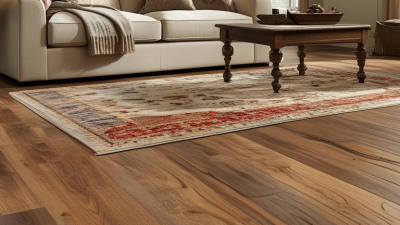
China Best Flooring LVP Manufacturers for Global Buyers
For global buyers, selecting China’s best Flooring Lvp manufacturers requires more than comparing catalog prices. The right partner combines product consistency, transparent communication, export experience, and dependable after-sales support. Luxury vinyl plank flooring may look simple on a sample board. Yet its performance depends on wear layers, dimensional stability, locking systems, and installation conditions. A strong manufacturer explains these details clearly, without hiding behind marketing language. This guide introduces leading Chinese suppliers and the practical standards buyers should examine before placing an order.
Experienced sourcing teams usually request complete technical data before discussing volume. This may include plank thickness, wear-layer depth, core structure, surface treatment, fire performance, and slip resistance. Relevant certifications should be verified through current documents, not attractive website badges. Factory audits can reveal more than brochures. Buyers should inspect production lines, laboratory equipment, packaging areas, and finished-goods storage. Small details matter. Carton strength, pallet protection, batch labeling, and moisture control can affect the final installation. Reliable manufacturers also provide stable lead times, realistic minimum order quantities, and responsive support when problems appear.
No ranking can fit every project. A residential renovation, hotel development, and retail chain may require different specifications and commercial terms. Even a reputable factory can face delays, shade variation, or communication gaps. A sample can mislead. Therefore, buyers should approve pre-production samples, confirm inspection procedures, and record agreed tolerances in writing. The best Flooring Lvp manufacturer is not simply the cheapest supplier. It is the partner that combines verified capability, honest limitations, and consistent service from the first inquiry to the final container.
Understanding China’s LVP Manufacturing Industry
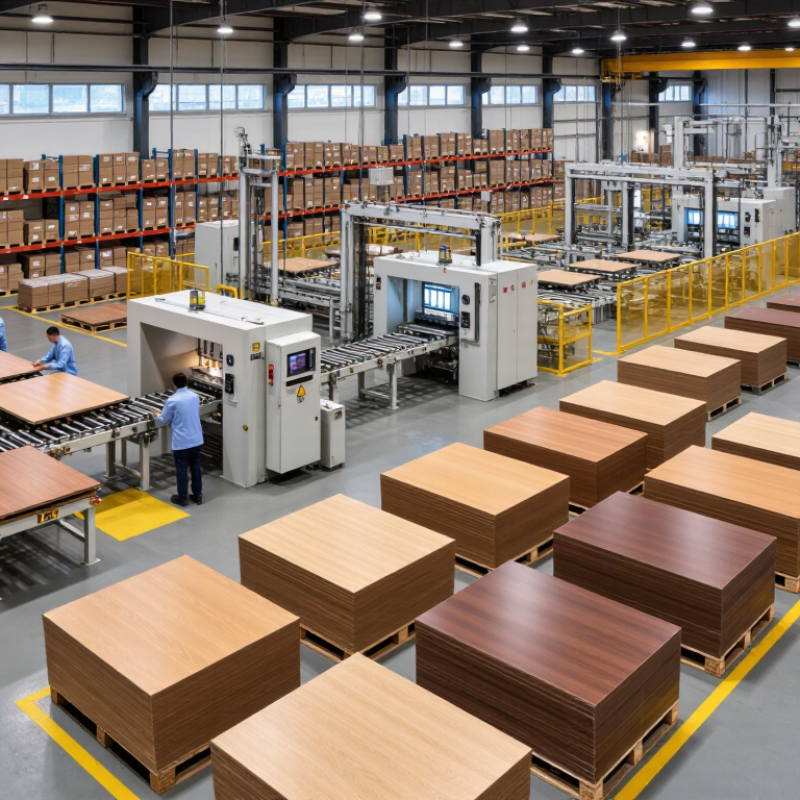
China’s LVP manufacturing industry serves residential, commercial, and renovation markets worldwide. Factories often combine film printing, coating, pressing, cutting, and profiling under one roof. This integration can shorten lead times and improve batch control. It does not guarantee consistent quality.
During factory evaluations, buyers should inspect the full production route. Check the wear layer thickness with a micrometer, not only the product label. Review SPC, dimensional stability, locking strength, and formaldehyde test records. A sample plank may look excellent. The production floor matters more.
Look for clean storage, controlled temperature, and protected edges during packing.
Experienced manufacturers usually provide traceable batch numbers and retain samples from each shipment. They can explain core density, acoustic backing, click profile, and installation limits in practical terms. Ask for third-party testing that matches the destination market. Documents should show testing methods, dates, and product specifications.
Some suppliers still rely too heavily on attractive samples and broad claims. That deserves reflection. A lower price may hide thinner wear layers, weaker locking systems, or unstable color matching. Buyers should compare complete specifications, not carton prices alone. Small trial orders can reveal surface scratches, plank variation, and packaging damage before larger commitments. Clear drawings, approved samples, and written tolerances reduce misunderstandings between overseas buyers and Chinese production teams.
Key Criteria for Evaluating China’s Best LVP Manufacturers
China Best Flooring LVP Manufacturers for Global Buyers
Key Criteria for Evaluating China’s Best LVP Manufacturers
Choosing a dependable LVP manufacturer requires more than comparing export prices. The right evaluation starts with product evidence, factory experience, and supply consistency. Ask for technical sheets showing total thickness, wear-layer thickness, dimensional stability, and slip performance. Check samples under strong light, not only in photographs. Measure plank length and width with a caliper. Small variations can create visible gaps during installation. That detail matters.
Audit production controls, not just the showroom. Observe how materials are mixed, pressed, cut, and packed. Reliable factories record batch numbers and inspect flooring at several production stages. Request recent test reports from independent laboratories, then verify their scope and dates. Evidence should match the exact construction being quoted. A certificate for one product cannot prove another product performs equally. Ask how defects are handled, including replacement timing and packaging claims. Clear answers show operational maturity.
Capacity deserves careful checking. A large monthly figure means little if lead times change during peak seasons. Review production schedules, container loading photos, and export references where available. Discuss color consistency across batches, carton strength, moisture protection, and installation guidance. These details often affect total cost more than the quoted unit price. No audit is perfect. I would still order a controlled trial shipment before signing a long contract. It can expose weak packing, slow communication, or inconsistent flooring before the problem grows.
Comparing Product Quality, Designs, and Production Capabilities
China Best Flooring LVP Manufacturers for Global Buyers
Comparing Product Quality, Designs, and Production Capabilities
Global buyers should examine LVP beyond showroom photographs. Reliable factories usually provide wear-layer data, dimensional test results, and batch samples. Ask about the core structure, surface treatment, and click-system tolerances. A thicker wear layer can improve commercial durability, but it cannot solve every installation problem. Subfloor preparation still matters.
Design capability appears in small details. Check whether wood patterns repeat too often across cartons. Compare embossing depth with the printed grain. Matte finishes often hide dust better, while lighter colors can make narrow rooms feel larger. Custom colors and plank sizes support hospitality projects. However, excessive customization may increase minimum order quantities and delay production.
Production capacity requires evidence, not confident claims. Review monthly output, line equipment, inspection stages, and packaging controls. A dependable manufacturer should explain checks for thickness, locking strength, moisture resistance, and shade consistency. Request samples from different production dates. They may not match perfectly. That gap deserves investigation, not excuses. Factory audits, independent testing, and clear technical documents help buyers assess real performance. Lead times should include material planning, inspection, and export packing. Some factories promise fast delivery too easily. That is a warning sign.
Checking Certifications, Compliance, and Global Export Experience
When evaluating China’s best LVP manufacturers, certifications should be checked against the exact product and destination market. A factory may hold ISO 9001, but this mainly reflects its quality management system. It does not automatically prove that every LVP collection meets flooring safety requirements. Ask for recent test reports from accredited laboratories, such as reports covering wear resistance, slip performance, formaldehyde emissions, fire reaction, and dimensional stability. Check the production date, product thickness, test standard, and laboratory accreditation. Small details matter.
Compliance also includes materials, labeling, packaging, and technical files. For European shipments, buyers may need evidence related to REACH and applicable construction product rules. Other markets may require ASTM or local testing standards. Request the full report, not only a certificate image. Some documents look impressive but lack batch information. That is a warning sign. Compare the report with the actual plank, carton label, and specification sheet. If the click system, backing layer, or wear layer changes, the old report may no longer be reliable.
Export experience should be verified through practical records. Review sample bills of lading, container loading photos, packing lists, and destination-market references with sensitive information removed. An experienced supplier should explain moisture protection, pallet strength, carton drop testing, and claims handling. Ask how they trace a defective batch. The answer should include production codes and retained samples. No supplier is perfect. Even strong factories can miss a packaging issue during a busy season. A transparent manufacturer admits this, investigates the cause, and records corrective action. That behavior often reveals more than a polished sales presentation.
Selecting the Right Chinese LVP Partner for Your Market
Selecting the right Chinese LVP partner requires more than comparing quoted prices. Start by matching the factory’s experience with your market, project scale, and installation conditions. Ask for production records, export references, and current quality procedures. A capable supplier should explain its wear layer, core structure, locking system, and surface treatment clearly.
Request physical samples from several production batches. Check plank thickness with a caliper, test the click connection, and inspect the printed pattern under strong light. Details matter. Review independent test reports for dimensional stability, slip resistance, emissions, and fire performance where relevant. Confirm that testing applies to the exact product, not merely a similar collection.
Visit the facility if possible, or arrange a live video audit. Observe raw material storage, pressing lines, packing areas, and final inspection. Ask how the team handles shade variation, damaged cartons, and late corrections. Their answer often reveals more than a polished presentation. Confirm minimum order quantities, lead times, packaging language, spare stock, and after-sales response times in writing. Communication may feel efficient at first, but unclear responsibilities can create expensive delays. I would also run a small trial shipment before committing to a large order. It may slow the launch slightly. That caution is usually cheaper than discovering installation defects after delivery.