Top 10 Tips for Choosing Quality Particle Board for Projects?
Choosing the right quality Particle Board is crucial for any project. The particle board market has been projected to grow at a compound annual growth rate (CAGR) of 5.7% from 2023 to 2030, according to recent industry reports. This growth highlights the increasing recognition of particle board's versatility and affordability in furniture and construction.
However, not all particle boards are created equal. Many factors can affect quality, such as density, moisture resistance, and bonding agents. A study by the American Wood Council indicates that high-density boards generally offer better durability. Yet, cost-effective options may tempt consumers, leading to potential compromises in quality. This makes informed decisions essential, especially for projects demanding longevity and performance.
Understanding the intricacies of particle board can significantly influence project outcomes. Buyers must be cautious of misleading advertising and the temptation of low prices. A well-informed selection minimizes risks of performance issues later on. Ultimately, quality should never be an afterthought in the decision-making process.
Understanding Particle Board: Composition and Grades Explained
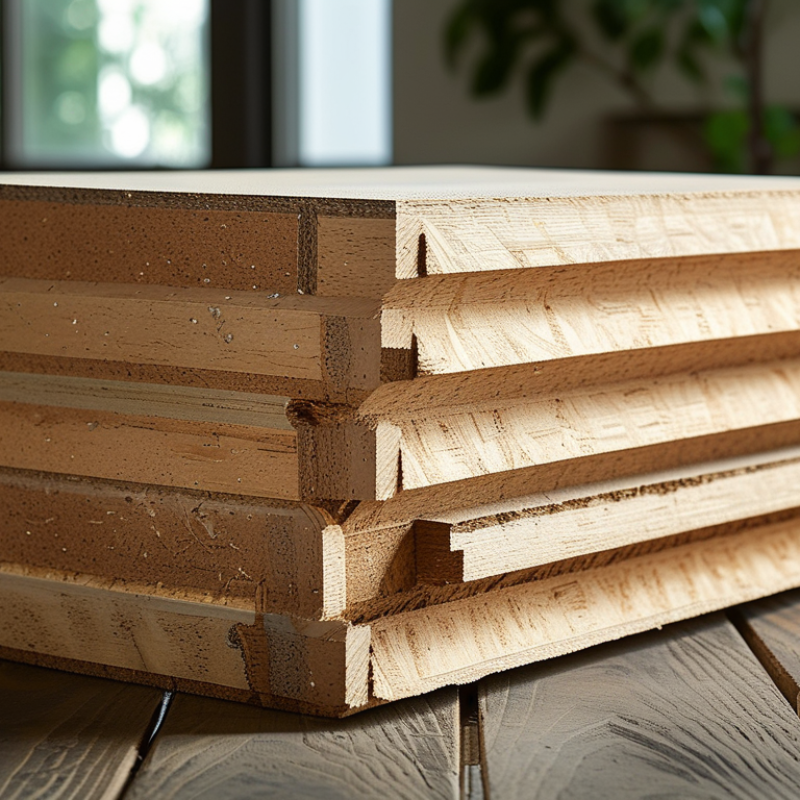
Particle board is an engineered wood product made from wood chips, sawmill shavings, or sawdust. These materials are bound together using adhesive under heat and pressure. Understanding the composition of particle board can help you select the right type for your project. There are several grades of particle board, typically based on density and strength. Higher grades are denser and more durable, making them suitable for heavy-duty applications.
When choosing particle board, consider its intended use. For furniture, a denser grade may be needed for durability. If you're using it for light-duty applications, lower grades can be cost-effective. Check the thickness and smoothness of the surfaces. Flaws in these areas can affect the finished project.
Selecting the right particle board can be tricky. Look for products that are certified for low formaldehyde emissions. This can be an important consideration for indoor projects. Always check the specifications provided by manufacturers, but don't blindly trust them. It's wise to consult professionals in the field for informed opinions. Some may overstate their product quality, so be discerning. This critical approach will lead to better results in your projects.
Analyzing Density and Thickness: Key Factors in Quality Selection
When selecting quality particle board, density and thickness play crucial roles. Density affects strength and durability. Higher density boards are more resilient. They are less prone to warping and damage. This makes them ideal for heavy-duty applications. According to industry reports, boards with a density of 700 kg/m³ or more are often preferred for furniture production. Such boards offer excellent stability and longevity.
Thickness is another vital factor. It influences the board’s overall integrity and load-bearing capacity. Standard thicknesses range from 15mm to 25mm. Boards that are 18mm thick are commonly used for shelving and cabinets. A thicker board can better support weight over time. However, choosing a thicker board without considering other variables like density may not yield the best results. A 25mm thick board with low density can still lack strength.
Understanding these factors is key to avoiding mistakes. Not all boards are made equal. Some might appear to meet specifications yet fail under stress. An evaluation of both density and thickness helps in making informed decisions. By prioritizing these elements, one can find the right balance for their projects.
Evaluating Surface Finish and Coating Options for Durability
When evaluating particle board, surface finish and coating options play a crucial role in durability. A smooth surface helps prevent moisture absorption, which can lead to warping or damage. Look for boards that have been treated with protective coatings. These coatings enhance resistance to stains and scratches, enhancing the board’s lifespan.
Consider both melamine and laminate finishes. Melamine provides a hard, durable surface that is ideal for everyday projects. Laminate can add an extra layer of protection, but it can also be less forgiving if not applied correctly. Check for the thickness of the coating. Thicker finishes often offer superior protection against wear and damage.
However, not all surfaces are created equal. Some finishes may look appealing but lack the necessary durability for heavy use. It’s essential to weigh the aesthetic appeal against functional needs. If you expect high traffic or heavy use, a robust finish is non-negotiable. A poor choice in coating can undermine even the best quality particle board. Make informed decisions to ensure long-lasting results.
Assessing Environmental Impact and Formaldehyde Emissions Standards
When selecting particle board, it's crucial to assess environmental impact and formaldehyde emissions. Formaldehyde is a common component in binders used in particle board. High exposure levels can pose health risks. According to the California Air Resources Board, regulations limit emissions to ensure safety. Choosing certified products can help meet these standards.
Tip: Look for boards that comply with CARB phases 1 and 2. These products have lower formaldehyde emissions, making them safer for indoor use. Another valuable resource is the ANSI/BIFMA standard. It addresses emissions and overall environmental performance, ensuring quality for your projects.
Environmental concerns often arise with production. Over 80% of wood waste used in particle board comes from recycled sources. This reduces landfill waste and lessens the need for virgin materials. It’s a positive step, yet there are areas for improvement. The industry still faces challenges in sourcing sustainable raw materials. Awareness and careful selection can lead to better outcomes for both projects and the planet.
Formaldehyde Emissions in Particle Board Options
Comparing Cost vs. Performance: Making Informed Material Choices
When considering particle board for projects, the balance between cost and performance is crucial. Particle board is often chosen for its affordability. However, lower prices can lead to compromises in quality. Understanding the specific requirements of your project can guide you in making better decisions.
Different grades of particle board offer varying levels of durability and finish. Standard versions might be cost-effective, but they can warp or swell when exposed to moisture. Higher-grade options provide better resistance to wear but come at a higher price. Knowing the environment where your project will live can help in choosing the right type.
Investing time in research is essential. Consider speaking with experts or reviewing guidelines provided by construction authorities. Reflect on the long-term benefits of quality materials versus immediate savings. Quality particle board can lead to a more satisfactory outcome, while cutting corners can result in regrets down the road.