Why Are Restroom Stall Walls Necessary for Privacy?
Privacy in public restrooms is a crucial topic. Research indicates that a significant percentage of restroom users prioritize privacy. According to a survey by restroom design experts, over 70% of respondents prefer stalls that provide adequate separation. This highlights the importance of Restroom Stall Walls.
These walls create a barrier that enhances user comfort. Without them, individuals may feel exposed and vulnerable. The lack of privacy can lead to anxiety in a space meant for relaxation. A study by the American Psychological Association revealed that environments lacking privacy can increase stress levels.
Additionally, the design of Restroom Stall Walls can promote hygiene. Properly enclosed stalls reduce the risk of cross-contamination. However, many facilities still struggle with these designs, leaving users dissatisfied. It is essential to reflect on how restroom designs can improve privacy and overall user experience.
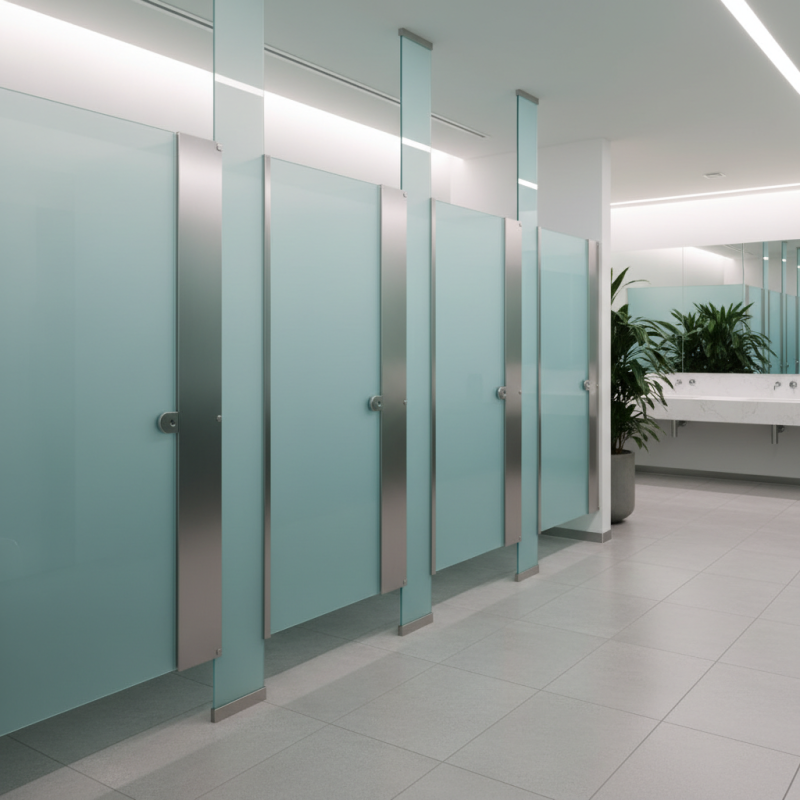
The Historical Context of Restroom Stall Walls and Privacy Needs
Restroom stall walls serve a crucial purpose: privacy. Historically, public spaces had little consideration for personal space. Early restrooms featured open designs, exposing users to the prying eyes of others. This lack of privacy made the act of using the restroom uncomfortable for many. As societal norms evolved, the demand for personal privacy became more pronounced.
By the late 19th century, design changes began to emerge. Walls started appearing in restroom stalls, creating a barrier between users. This shift reflected a growing understanding of individual rights and personal space. However, not all designs offered equal privacy. Some stalls had gaps or inadequate height, still leaving users feeling vulnerable. The conversation surrounding privacy in public restrooms is ongoing, revealing that expectations differ by culture and individual preference.
Today, restroom stall walls symbolize much more than mere partitions. They represent a shift in societal values toward personal comfort. Yet, we still face challenges. Some restrooms lack appropriate design, which can lead to distress for users. The ideal balance between privacy, safety, and accessibility is still a work in progress.
The Psychological Importance of Privacy in Restroom Environments
Privacy in restroom environments is often overlooked. However, it plays a critical role in how we experience these spaces. The design of restroom stalls, including their walls, creates a sense of security. When individuals use the restroom, they seek refuge, both physically and psychologically. Without these barriers, many would feel exposed and vulnerable.
The emotional weight of privacy cannot be understated. In public settings, the fear of being seen can increase anxiety. This discomfort can lead to avoidance of using facilities altogether. Imagine a busy restroom with no stalls. The chaos and lack of privacy would be overwhelming. Walls provide more than just a division; they offer mental safety. Yet, even with walls, problems arise. A gap at the bottom or a poorly fitted door can still leave someone feeling insecure.
Reflecting on restroom design, we must consider the balance between accessibility and privacy. Not all stalls are created equal, and the need for improvement is clear. Enhancing privacy features could provide a more comfortable experience for everyone. An ideal restroom respects personal space while ensuring functionality. These details matter more than we often realize.
Design Features of Restroom Stalls Aiding in User Comfort and Security
Restroom stalls play a crucial role in providing privacy and comfort. The design features of these stalls significantly enhance user experiences. Solid walls create a barrier that allows for a sense of security. Users feel more at ease, knowing their activities are concealed. The height of the partitions is vital; it should offer coverage without compromising ventilation. A balance is necessary between safety and comfort.
Tips: Choose a stall that feels secluded. If you notice gaps between walls, consider a different option. Small details like door locks also make a difference. Ensure the lock functions correctly; it’s essential for your peace of mind.
Another noteworthy aspect is the cleanliness factor. Many stalls incorporate materials that are easy to clean. This helps in creating a hygienic environment. However, the cleanliness level often depends on the facility itself. Users might sometimes find concerns with maintenance. A little diligence can lead to a more pleasant experience.
Tips: Always check for cleanliness before entering. Look for signs of neglect, like overflowing trash cans. A quick assessment can save you from discomfort.
Cultural Differences in Restroom Privacy Standards Worldwide
Restroom privacy varies significantly around the world. In some cultures, full-height stall walls are standard. In others, half-walls or no partitions exist. This difference reflects varying societal norms and attitudes towards privacy.
In Japan, for example, restroom stalls are often fully enclosed. This ensures complete privacy, allowing users to feel more secure. In contrast, some European countries might favor open spaces. Here, privacy is less about walls and more about social acceptance.
Tip: If you’re traveling, research the local customs. Understanding cultural differences in restroom privacy can help you adjust with ease.
Social norms play a crucial role in restroom design. In some cultures, sharing space is normal. In others, individual privacy is a core value. This presents challenges. What is comfortable for one person may feel inappropriate for another.
Tip: If you ever feel uncomfortable in public restrooms, seek out facilities designed for privacy. Many places now offer family restrooms or single-user units.
Legal and Social Implications of Insufficient Restroom Privacy
Restroom stall walls serve a fundamental purpose: providing privacy. However, the implications of insufficient privacy extend beyond discomfort. They raise important concerns about dignity and personal space. When restroom stalls lack proper walls, users may feel exposed. This feeling can trigger anxiety or embarrassment, making the restroom experience stressful.
Moreover, the social environment in public restrooms can amplify these negative feelings. Users often navigate these spaces with a heightened sense of vulnerability. The absence of adequate barriers can lead to feelings of judgment from others. This social pressure may prevent individuals from using restrooms altogether, especially among marginalized groups. Without sufficient privacy, the restroom becomes less welcoming and safe for everyone.
Legal implications also arise when privacy is compromised. Certain regions may have standards to ensure adequate restroom design. Failing to meet these standards can result in legal challenges. Institutions may find themselves scrutinized for not protecting users’ rights to privacy. This situation prompts a crucial reflection on how we design public spaces. Are we prioritizing comfort and safety? Rethinking restroom layouts could foster a more inclusive atmosphere for all users.