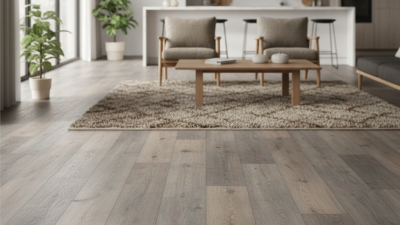
What is Lvp Flooring Benefits and Installation Guide?
LVP flooring, short for Luxury Vinyl Plank, is gaining popularity among homeowners. It offers a perfect blend of style and functionality. With its stunning designs that mimic natural wood and stone, it can enhance any room's aesthetic appeal. People are often drawn to its durability and water resistance, making it ideal for busy households.
When considering installation, LVP flooring is known for its user-friendly setup. Many homeowners can achieve a professional look without hiring experts. However, mistakes can happen. Proper measurement and surface preparation are crucial to avoid future issues. The ease of maintenance adds to its allure, but neglecting routine care can lead to wear over time.
In conclusion, LVP flooring presents significant advantages. Its affordability, versatility, and resilience make it a worthy investment. Nonetheless, potential buyers should research and reflect on individual needs before making a final decision.
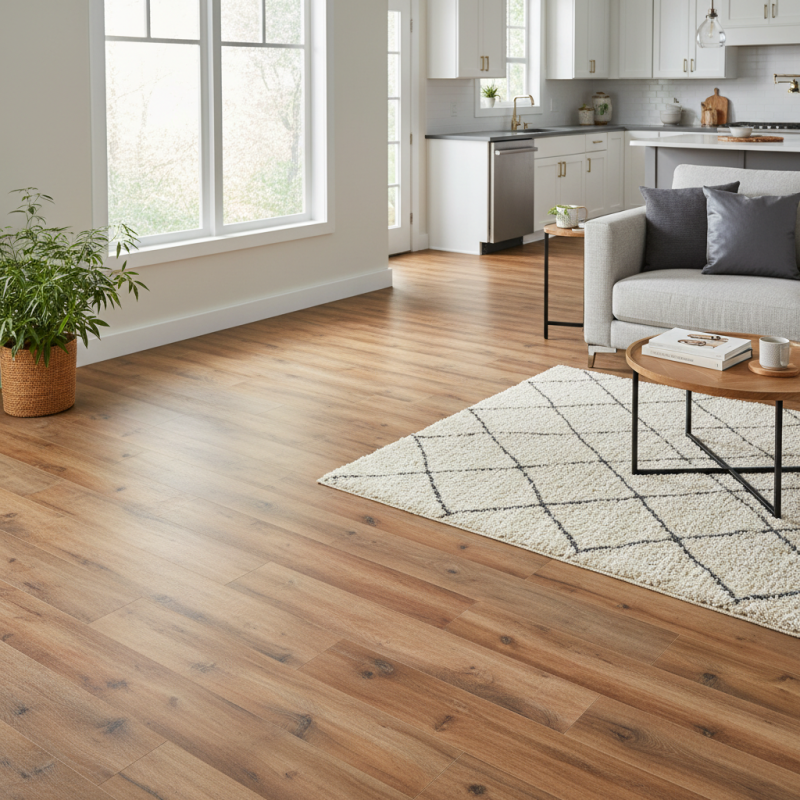
What is LVP Flooring: Definition and Composition Overview
Luxury Vinyl Plank (LVP) flooring serves as a
sophisticated yet practical solution for modern homes. Typically composed of multiple layers, it mirrors the
authentic look of hardwood or stone. The top layer is a clear wear layer, protecting against scratches and stains.
Beneath that, a high-definition printed vinyl layer displays natural
patterns. The core layer is usually made of wood plastic composite or stone plastic composite, providing durability
and water resistance. The backing layer contributes to stability and comfort underfoot.
The installation process is relatively straightforward. LVP can be installed as a floating floor,
which does not require glue or nails. This method allows for easy, DIY installation. However, proper subfloor preparation is vital to ensure a smooth finish.
On the downside, some may find aligning planks challenging, leading to uneven surfaces. Additionally, while LVP is
water-resistant, it cannot withstand standing water indefinitely. Homeowners should be
aware of humidity levels and maintain an environment conducive to the flooring's longevity.
Key Benefits of LVP Flooring: Durability, Aesthetics, and Cost-Effectiveness
LVP flooring, or luxury vinyl plank flooring, boasts impressive durability, aesthetics, and cost-effectiveness. This makes it a popular choice among homeowners and commercial properties alike. LVP is designed to withstand heavy foot traffic, resisting scratches and dents. According to a report by the Resilient Floor Covering Institute, LVP can last 20 years or more with proper care. This durability is often unmatched by traditional hardwood.
In terms of aesthetics, LVP mimics natural materials like wood and stone. Advanced printing technologies create realistic textures and colors. This allows homeowners to achieve the desired look without the high costs of natural materials. A survey from Green Building Solutions noted that 76% of homeowners prefer LVP for its visual appeal and comfort underfoot.
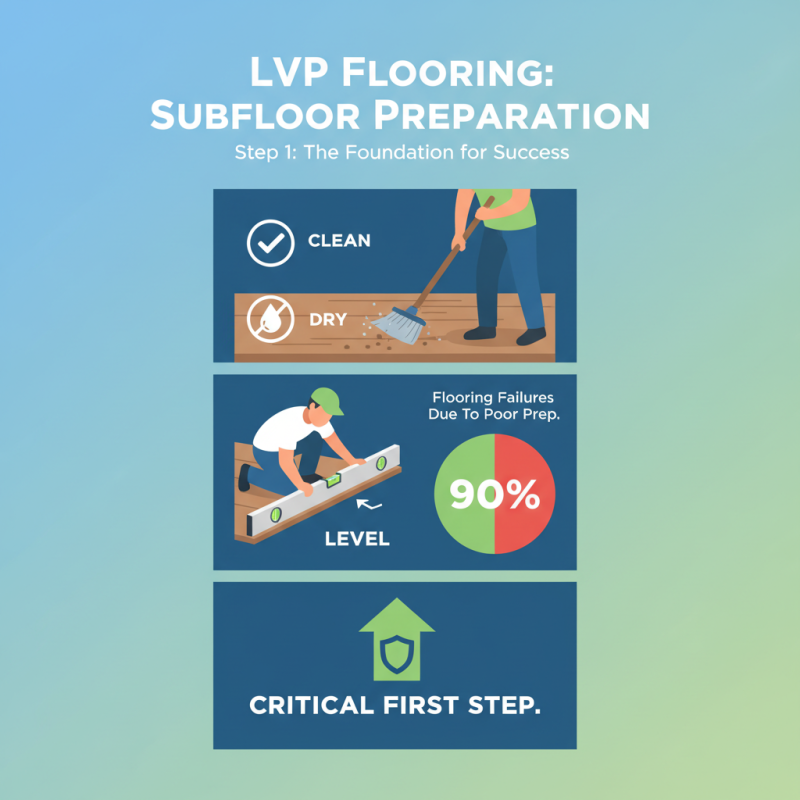
Tip: Before installation, ensure the subfloor is clean and level. This step greatly enhances the longevity of your flooring.
Cost-effectiveness is another significant advantage. LVP often costs 50% less than hardwood and can be installed without professional assistance. However, it's essential to be cautious with your choices. Not all LVP products are created equal. Some may lack the necessary warranties and performance ratings.
Tip: Research various products and ask for samples. This can help you avoid costly mistakes.
Installation Process: Step-by-Step Guide for LVP Flooring
Installing LVP flooring can be a rewarding project. The installation process is straightforward but requires careful attention to detail. Start by ensuring the subfloor is clean, dry, and level. According to industry reports, about 90% of flooring failures can be traced back to inadequate subfloor preparation. This highlights the importance of this initial step.
Next, acclimate the planks to the room's temperature and humidity for 48 hours. This prevents expansion or contraction after installation. Lay the planks perpendicular to the light source in the room. This enhances the visual appeal and minimizes seams. Use spacers to maintain a gap around the edges for expansion. As per the National Wood Flooring Association, proper spacing can reduce the risk of warping.
Finally, interlock the planks by clicking them together and trim the edges as needed. Flooring experts note that using a tapping block can help ensure a snug fit. Always remember, it’s essential to follow the manufacturer's guidelines for warranty purposes. Reflecting on the process, mistakes often occur at the measuring stage. Double-check measurements before cutting. Precision is key in achieving a professional-looking finish.
Maintenance Tips: Ensuring Longevity of Luxury Vinyl Plank Flooring
Luxury vinyl plank (LVP) flooring has gained popularity for its durability and aesthetic appeal. To ensure its longevity, proper maintenance is essential. Regular cleaning is a must. Use a soft broom or vacuum to remove dust and dirt. This simple step prevents scratches on the surface.
For spills, act quickly. Wipe them up with a damp cloth to avoid stains. While LVP is water-resistant, prolonged exposure to moisture can lead to problems. Use mats in high-traffic areas. This helps protect the flooring from wear and tear.
Avoid harsh chemicals that can damage the finish. Instead, choose mild cleaners specifically designed for LVP. Also, remember to check for any scratches or dents regularly, as early intervention can prevent further damage. Keeping the flooring in good condition can be an ongoing effort.
It's important to reflect on these practices for better care. Each small act contributes to the flooring's overall longevity, ensuring it remains beautiful for years to come.
Comparative Analysis: LVP vs. Traditional Flooring Options in 2023
Luxury Vinyl Plank (LVP) flooring is gaining traction this year, especially when compared to traditional flooring options. Research by the Resilient Floor Covering Institute shows that LVP’s market share is projected to reach 40% by the end of 2023. This growth reflects the rising demand for durable and adaptable flooring solutions that cater to diverse lifestyles.
One of LVP's significant advantages is its water resistance. Traditional hardwood or laminate flooring can warp in humid environments. A report from the National Wood Flooring Association indicates that 25% of hardwood failures occur due to moisture damage. In contrast, LVP can withstand spills and moisture, making it suitable for kitchens and bathrooms. However, homeowners must ensure proper installation, as misalignment can lead to challenges with long-term durability.
Additionally, LVP mimics the appearance of natural materials. It offers realistic textures and patterns that appeal to many consumers. A study by Market Research Future found that 60% of homeowners prefer flooring that combines aesthetics with practicality. While LVP offers many benefits, it may not provide the same resale value as traditional hardwood floors. The preference for natural materials remains strong among buyers, often leading to a complex decision-making process for homeowners. Balancing these factors is essential to making an informed choice in today’s flooring market.
LVP Flooring vs. Traditional Flooring Benefits (2023)