What is a Hex Bolt and How to Choose the Right One?
Hex Bolts are essential components in various construction and engineering projects. They are characterized by their hexagonal heads and uniform threads, designed for applications requiring high strength. Choosing the right hex bolt can feel daunting, considering the myriad of options available. Understanding their specifications is crucial for ensuring a secure fit and lasting durability.
When selecting a hex bolt, it is important to consider materials and grades. Different environments may call for stainless steel, carbon steel, or other alloys. Each material offers varying levels of strength and corrosion resistance. Additionally, the bolt's diameter, length, and thread pitch must align with your specific application to avoid failures.
Many people overlook the importance of proper torque settings when installing hex bolts. Wrong torque can lead to loosening or breakage over time. This could compromise the entire structure or mechanism. Making informed choices demands careful consideration of both the hex bolt's specifications and the application requirements. This knowledge highlights the importance of expertise in the selection process to ensure reliability and safety in your projects.
Definition and Characteristics of Hex Bolts
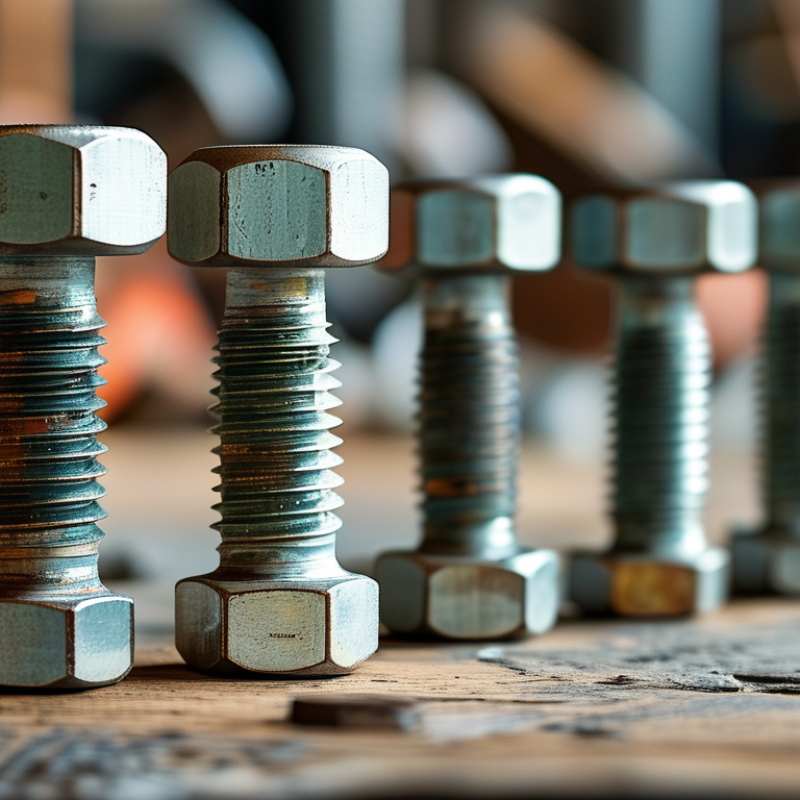
Hex bolts are integral components in various construction and manufacturing processes. These fasteners have a distinct hexagonal head, which allows for easy tightening with a wrench. They are mainly made from materials such as steel, stainless steel, or alloy, offering different levels of corrosion resistance and strength. This versatility makes hex bolts suitable for multiple applications, from securing heavy machinery to building structures.
When choosing a hex bolt, consider factors like diameter, length, and material grade. Each of these characteristics impacts the bolt's performance under stress. For instance, selecting a lower-grade bolt for high-stress applications could lead to failure. Additionally, the bolt's finish plays a significant role. For outdoor projects, opting for galvanized or coated bolts can improve longevity. A common mistake is underestimating the required torque for proper installation, which can lead to a loose or stripped connection.
In practice, you might discover the right bolt through trial and error. This hands-on approach can inform your decisions for future projects, despite the initial setbacks. Always reflect on the specific requirements of your application. Each choice made should align with the demands of the task at hand.
Hex Bolt Characteristics Comparison
This chart illustrates the characteristics of hex bolts, including materials, strength, corrosion resistance, and cost. Each characteristic is rated on a scale of 0 to 100, reflecting their importance in choosing the right hex bolt for various applications.
Common Applications of Hex Bolts in Various Industries
Hex bolts are commonly utilized across various industries due to their versatility and strength. In construction, for instance, they are vital for securing structural connections. A report from the Fastener Technology Institute indicates that hex bolts make up nearly 30% of fasteners used in construction projects. Their ability to bear heavy loads makes them indispensable for steel frames, bridges, and other critical infrastructure.
In the automotive industry, hex bolts are found in engine assemblies and chassis. According to the Automotive Industry Action Group, about 25% of fasteners in vehicles are hex bolts. Their reliability plays a significant role in automotive safety. However, selecting the right hex bolt requires consideration of factors like tensile strength and material grade. These details are crucial; using inappropriate bolts can lead to joint failure.
Furthermore, the manufacturing sector also relies heavily on hex bolts. Many machines and equipment are held together by these fasteners. Data from the National Association of Manufacturers shows a steady rise in demand for hex bolts, reflecting their importance in modern manufacturing. Yet, it is worth noting that neglecting maintenance or using worn-out bolts can create safety issues. This highlights the necessity for regular inspections and proper knowledge for selection.
What is a Hex Bolt and How to Choose the Right One? - Common Applications of Hex Bolts in Various Industries
| Industry | Common Applications | Material Types | Typical Sizes (inches) | Strength Grade |
| Construction | Structural Steel Connections | Steel, Stainless Steel | 3/8 - 1 | Grade 5, Grade 8 |
| Automotive | Chassis Assembly | Steel, Alloy Steel | 1/4 - 3/4 | Grade 8.8, Grade 10.9 |
| Manufacturing | Machinery Assembly | Carbon Steel, Stainless Steel | 1/2 - 1 1/2 | Grade 5, Grade 8 |
| Aerospace | Aircraft Framework | Titanium, Aluminum Alloy | 1/4 - 3/8 | Grade 9 |
| Marine | Boat Assembly | Corrosion-Resistant Steel, Alloy | 3/8 - 1 | Marine Grade |
Factors to Consider When Choosing a Hex Bolt
When selecting a hex bolt, several factors come into play. First, consider the material. Hex bolts are often available in steel, stainless steel, and alloys. Steel offers strength but may corrode. Stainless steel provides corrosion resistance but can be more expensive. According to industry reports, carbon steel hex bolts account for around 60% of usage in construction and manufacturing.
The size and thread pitch are also critical. Ensure the bolt fits securely into your application. Inadequate sizing can lead to failure. Tension is another fundamental factor. A bolt under too much tension may stretch or break. A study by Fasteners.com indicates that improper tension accounts for nearly 30% of bolt failures in structural applications.
Lastly, assess the load requirements for your project. The strength of a hex bolt is determined by its grade. Higher-grade bolts can withstand greater loads. Using a bolt that is too weak can compromise safety. Research shows that engineers recommend regular inspections to monitor bolt integrity, leading to better performance and reliability over time.
Differences Between Hex Bolts and Other Types of Fasteners
Hex bolts are commonly used fasteners in various industries. Their design consists of a hexagonal head and a threaded shaft. This shape allows for a stronger grip and easier installation with wrenches. However, the differences between hex bolts and other fasteners, like lag bolts or screws, are crucial for effective applications. Hex bolts typically provide superior load-bearing capacity and are best suited for structural applications.
In contrast, lag bolts are designed for wood applications and require pre-drilled holes. Their larger diameter and coarse threads allow for deeper penetration, but they lack the same tensile strength as hex bolts. Furthermore, traditional screws offer ease of use but might not hold as much weight. According to the Fastener Quality Act, hex bolts are tested for tensile strength, often exceeding 120 ksi, making them ideal for heavy-duty construction.
The choice between these fasteners depends on various factors. For instance, opting for a hex bolt where a screw might suffice could lead to over-specification, increasing costs. Conversely, using a screw in high-load conditions can result in failure. Therefore, understanding the specific requirements is essential, ensuring that the right fastener is selected for the job.
Guidelines for Proper Installation and Maintenance of Hex Bolts
Hex bolts are essential components in a variety of applications, but their effectiveness depends heavily on proper installation and maintenance. First, ensure that you select the right size and grade of hex bolt. The load requirements and environmental conditions can influence your choice. Using a bolt that is too small can lead to catastrophic failure, while one that is too large may not fit properly.
When installing hex bolts, start by cleaning the threads. Dirt or debris can prevent a secure fit and lead to loosening over time. Use a torque wrench to achieve the required tension, avoiding overtightening. Overtightening can strip the threads or damage the components being joined. Regular inspections of the bolts in high-stress environments are crucial. Check for signs of corrosion, wear, or any loosening.
It's vital to remember that no installation is perfect the first time. Mistakes, such as misalignment or improper torque settings, can occur. Learning from these errors can improve future installations. Regular maintenance checks can prevent issues before they escalate. Trust in your experience, and don't hesitate to seek expert advice if needed. Bolts are simple yet critical, and caring for them ensures safety and reliability.