What is Flooring LVP and Why You Should Consider It for Your Home
When it comes to enhancing the aesthetic and functional appeal of your home, choosing the right flooring is crucial. Among the myriad of options available, Flooring LVP (Luxury Vinyl Plank) has gained significant popularity due to its blend of durability, versatility, and cost-effectiveness. According to a report by the Freedonia Group, the U.S. market for resilient flooring, including LVP, is expected to grow at an annual rate of over 5% through the next several years. This surge in demand highlights the growing recognition of LVP as a premier choice for homeowners seeking a balance between quality and affordability.
Flooring LVP is designed to mimic the appearance of natural materials like hardwood or stone, making it an appealing alternative without the high maintenance costs associated with these traditional materials. With advancements in technology, many LVP products now provide realistic textures and finishes that can enhance any room's ambiance. The National Wood Flooring Association notes that LVP often offers superior water resistance, making it ideal for areas prone to moisture, such as kitchens and bathrooms. As more homeowners prioritize practical solutions that do not compromise on style, Flooring LVP stands out as a compelling option that merits consideration.
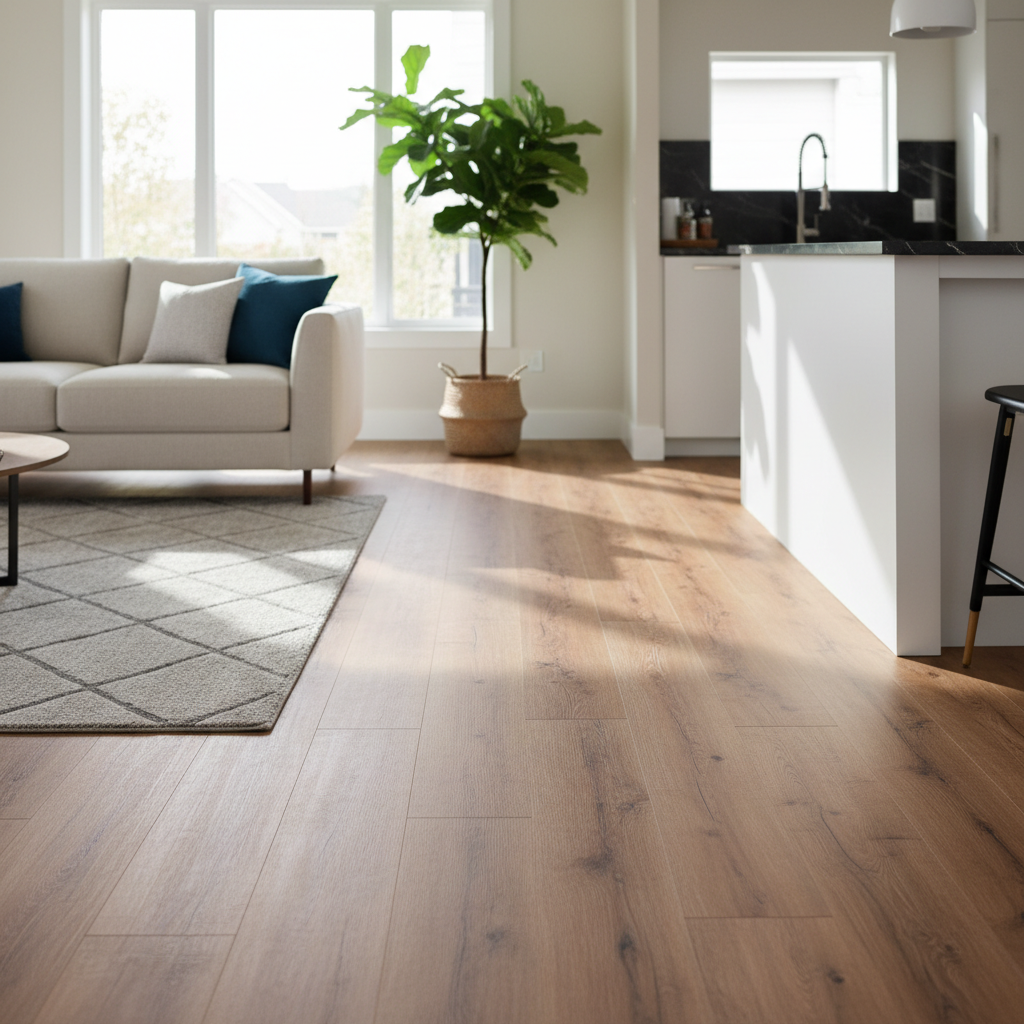
Understanding LVP: Definition and Characteristics
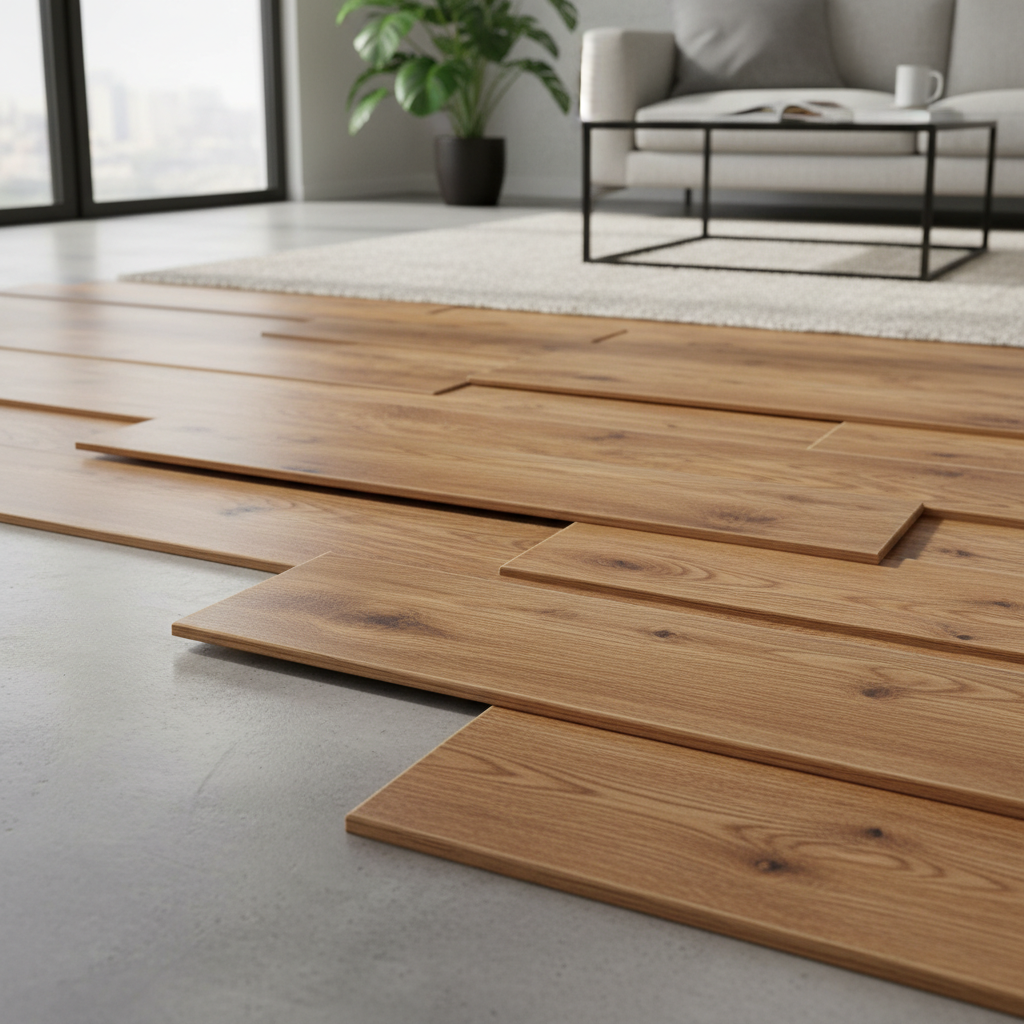
Luxury Vinyl Plank (LVP) flooring has gained significant popularity in modern home design due to its appealing combination of aesthetics and practicality.
LVP is essentially a synthetic flooring product that mimics the look of natural wood, stone, or tile while providing enhanced durability and easier maintenance.
Its structure typically consists of multiple layers, including a backing layer for stability, a core layer for impact resistance, a design layer that showcases realistic patterns, and a wear layer for protection against scratches and stains.
One of the primary characteristics of LVP is its water resistance, making it an ideal choice for areas prone to moisture, such as kitchens and bathrooms.
Additionally, LVP is available in a wide range of colors, textures, and designs, allowing homeowners to achieve the desired look for their spaces without compromising on performance.
Thanks to its affordable price point, straightforward installation, and the comfort of a softer surface compared to traditional flooring options,
LVP stands out as a practical solution for those looking to enhance the style and functionality of their homes.
The Benefits of LVP Flooring: Durability and Maintenance
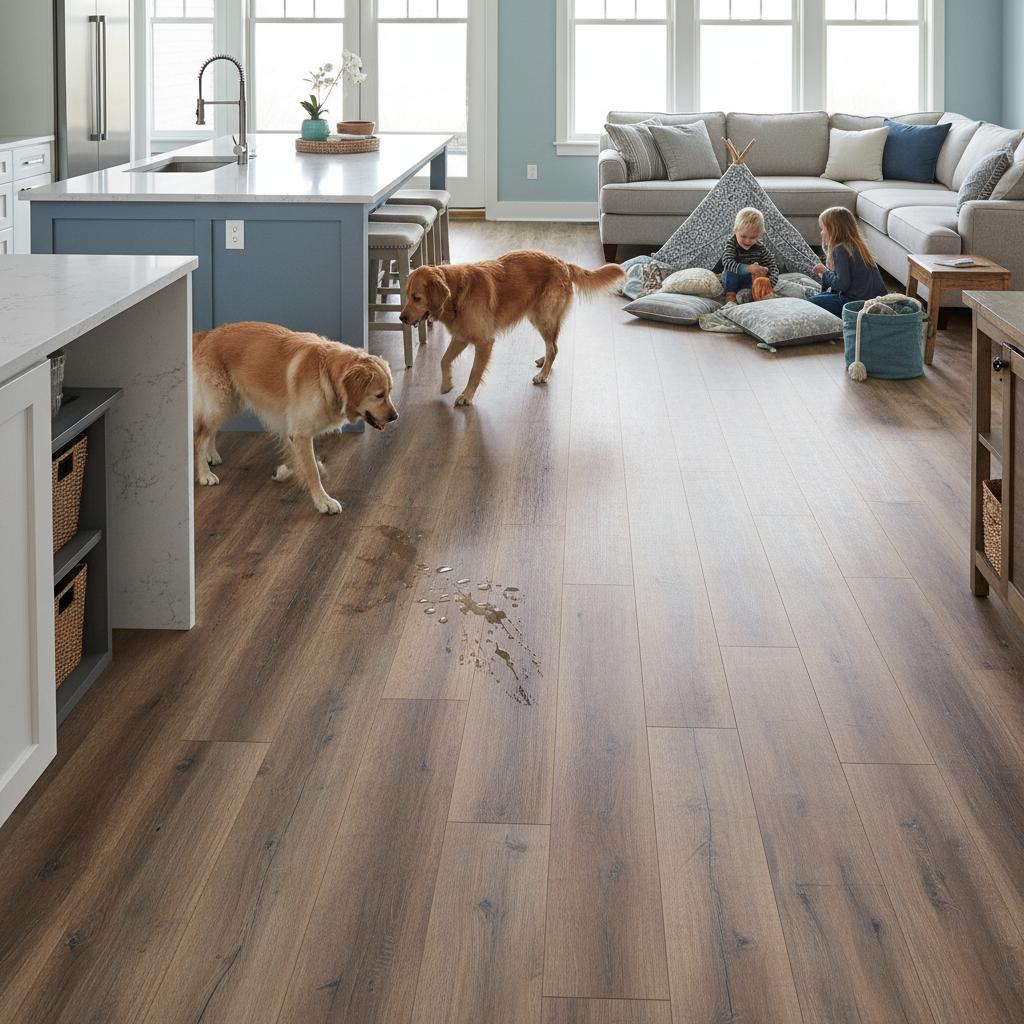
When it comes to selecting flooring for your home, Luxury Vinyl Plank (LVP) is becoming a trendy choice due to its impressive durability and low maintenance. LVP flooring is designed to withstand the rigors of daily life, making it an ideal option for busy households. Its waterproof nature makes it perfect for areas prone to spills and moisture, such as kitchens and bathrooms. Additionally, LVP resists scratches and dents, providing long-lasting beauty that can withstand pets and heavy foot traffic.
Tip 1: To maintain the elegance of your LVP flooring, sweep or vacuum regularly to remove dirt and debris. This prevents scratching and extends the lifespan of your floors.
When it comes to cleaning, LVP requires minimal effort. A damp mop with a mild cleaner is often all that’s needed to keep your floors looking new. This ease of maintenance not only saves you time but also ensures your living spaces remain pristine without the need for harsh chemicals.
Tip 2: Avoid using abrasive cleaners or scouring pads, as these can damage the surface of your LVP flooring. Instead, opt for gentle cleaning solutions to preserve its finish.
Aesthetic Appeal: Design Options with LVP
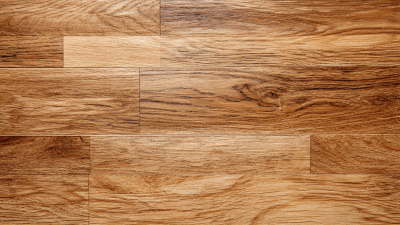
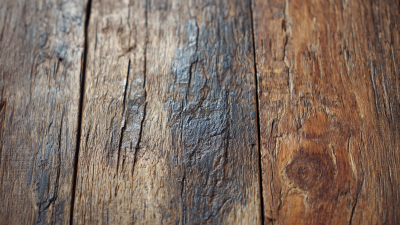
Luxury Vinyl Plank (LVP) has become a popular choice for homeowners seeking aesthetic appeal combined with functionality. One of the standout features of LVP is its ability to mimic the look of natural materials like hardwood or stone while offering a variety of design options.
From rustic hardwood finishes to sleek contemporary stones, LVP allows homeowners to achieve their desired decor style without sacrificing durability.
When considering LVP for your home, it's essential to explore different textures and tones available. Opting for planks with a rich grain pattern can add warmth to a room, while lighter colors can create a modern and spacious feel. Additionally, many manufacturers offer customizable designs that enable you to mix and match colors and patterns, resulting in a unique space that reflects your personal taste.
Tips: Before making a final choice, consider the overall look of your home and choose LVP that complements existing decor. Additionally, sample a few planks in your space to see how they blend with your lighting and furnishings. Finally, don’t hesitate to experiment with different laying patterns, such as herringbone or diagonal installations, to add an unexpected twist to your flooring design.
Cost-Effectiveness: Budgeting for LVP Flooring
Luxury Vinyl Plank (LVP) flooring has emerged as a popular choice among homeowners seeking a cost-effective and durable flooring solution. According to the Resilient Floor Covering Institute, LVP can be up to 50% less expensive than traditional hardwood flooring, making it an appealing option for budget-conscious consumers. The average cost of LVP ranges between $2 to $5 per square foot, while hardwood can cost anywhere from $5 to $12 per square foot. This significant price difference allows homeowners to achieve an upscale aesthetic without breaking the bank.
In addition to its affordability, LVP also offers long-term savings due to its remarkable durability and low maintenance requirements. A report from the National Wood Flooring Association indicates that LVP has a lifespan of 10 to 25 years, depending on the quality, which is comparable to that of hardwood flooring. Moreover, LVP is often resistant to scratching, staining, and moisture, reducing the need for frequent replacements or costly repairs. These factors contribute to LVP's growing reputation as not only a stylish flooring option but also a pragmatic investment for any home.
What is Flooring LVP and Why You Should Consider It for Your Home - Cost-Effectiveness: Budgeting for LVP Flooring
| Feature |
Description |
Average Cost per Square Foot |
Durability (Years) |
Maintenance Level |
| Water Resistance |
LVP is highly resistant to moisture, making it ideal for kitchens and bathrooms. |
$2.50 - $5.00 |
15 - 25 |
Low |
| Ease of Installation |
Can be installed as a floating floor, requiring less time and labor. |
$1.50 - $3.00 |
N/A |
Very Low |
| Aesthetic Variety |
Available in numerous designs, colors, and styles that mimic wood, tile, or stone. |
$2.00 - $6.00 |
15 - 25 |
Low |
| Comfort Underfoot |
Offers a softer feel compared to traditional hard flooring. |
$2.50 - $5.50 |
15 - 20 |
Medium |
| Eco-Friendliness |
Some LVP options are made from recycled materials and can contribute to LEED certification. |
$2.00 - $5.00 |
15 - 25 |
Medium |
Installation Process: What to Expect When Choosing LVP
When considering the installation process of Luxury Vinyl Plank (LVP) flooring, homeowners can expect a relatively straightforward and efficient experience. According to the National Wood Flooring Association, LVP can be installed in half the time of traditional hardwood flooring, often taking just a day or two for an average-sized room. This is largely due to the lightweight nature of LVP, which allows for easier handling and a variety of installation methods, including click-lock or glue-down options.
Prior to installation, it is essential to prepare the subfloor properly, ensuring that it is clean, dry, and level. Many manufacturers recommend allowing the LVP to acclimate to the room's temperature and humidity for 48 hours before installation to prevent issues like buckling or gaps.
Once installation starts, it's a relatively clean process, with minimal dust and debris compared to hardwood installations. According to a report by the Resilient Floor Covering Institute, LVP can also be installed over most existing floor types, eliminating the need for costly and time-consuming removal procedures, making it an appealing option for many homeowners.