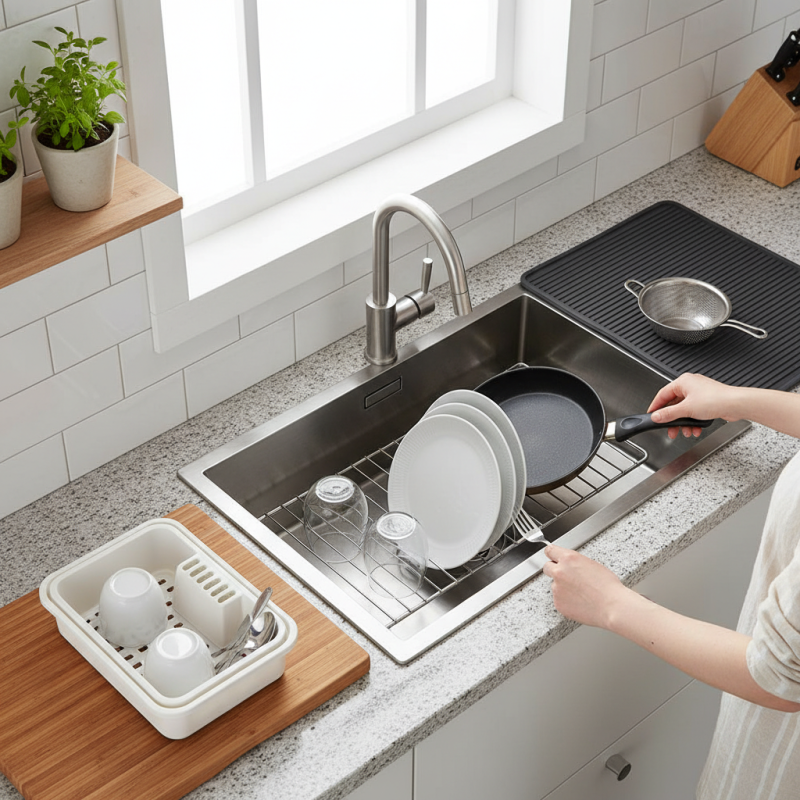
Why Choose the Right Sink Drainer for Your Kitchen Needs?
Choosing the right Sink Drainer is essential for any kitchen. A good sink drainer not only enhances functionality but also complements the kitchen's aesthetic. It can make washing up easier and keep your workspace organized.
Many options are available, each with unique features. You might prefer a stainless steel sink drainer for durability. Alternatively, a plastic version can be lightweight and easy to clean. However, not all drainers perform equally well. Some may clog more quickly, causing frustration. Researching brands and reading reviews can help identify reliable options.
In the quest for the perfect sink drainer, consider your washing habits. Do you often cook large meals? A larger drainer might be necessary. Are you limited on space? A compact design could be ideal. Remember, the right choice reflects your kitchen needs and personal style. Avoid rushing this decision; take the time to evaluate what truly works for you.
Factors Influencing the Selection of Kitchen Sink Drainers
Choosing the right sink drainer for your kitchen is crucial. Several factors influence this selection. First, the material of the drainer matters. Stainless steel is durable, while plastic can be more affordable. Each option has its pros and cons. Consider how often you cook and how heavy your pots are. Heavy-duty models may suit active kitchens better.
Another significant factor is the size of your sink. A drainer that is too large or too small can disrupt your workflow. Check your sink dimensions before purchasing. Compatibility is key for effective drainage. Think about how easy it is to clean too. Some materials show stains easily, making upkeep a hassle.
Design shouldn't be overlooked. A drainer that matches your kitchen style can enhance aesthetics. However, function should come first. A beautiful drainer that clogs easily is not worth it. Reflect on past experiences with your kitchen tools. Did your drainer meet your needs? Learning from these insights guides you to a better choice.
Material Types: Stainless Steel, Plastic, and Their Industry Applications
Choosing the right sink drainer is crucial for kitchen functionality. There are various materials to consider, each with unique benefits and drawbacks. Stainless steel is popular for its durability and resistance to rust. It doesn't easily warp or break, making it a long-term investment. However, it can be noisy when dishes are placed in the sink.
Plastic is another common option. It’s lightweight and often more affordable than stainless steel. Additionally, plastic drainers come in various colors and designs, adding a personalized touch to your kitchen. However, they may not withstand high temperatures well. This can lead to warping or staining over time.
When selecting a material, consider your cooking habits. If you frequently use hot pots and pans, stainless steel may be more suitable. Conversely, if you prefer a colorful aesthetic and don’t mind replacing it every few years, plastic could work for you. Reflecting on your personal kitchen needs is essential to finding the perfect match.
Flow Rates and Drainage Efficiency: Understanding Capacity and Performance
Choosing the right sink drainer for your kitchen is crucial. Flow rates and drainage efficiency vary significantly among different models. According to industry research, the average kitchen sink drains at about 1.5 gallons per minute (GPM). However, some high-performance drainers can achieve up to 3 GPM. Understanding this metric can prevent clogging issues and improve cleaning efficiency.
When selecting a sink drainer, consider the design. Installing a drainer with a larger capacity can expedite water flow during busy meal prep. Interestingly, many homeowners overlook maintenance, which impacts drainage performance. Regularly cleaning your drainer can help maintain its flow rate and extend its lifespan.
Tips: Always use a mesh strainer to catch food particles. This simple tool can prevent clogs and ensure efficient water flow. Additionally, consider the materials used in your drainer. Stainless steel options tend to resist corrosion better than plastic. A frequent oversight is neglecting to check the connection points for leaks, which can cause unexpected water damage. Investing in a quality sink drainer will ultimately save you time and money.
Installation Considerations for Optimal Functionality in Kitchen Drainers
When selecting a kitchen sink drainer, installation considerations are crucial. An effective drainer ensures proper water flow and minimizes the risk of clogs. According to a study by the National Kitchen and Bath Association, up to 35% of kitchen drainage issues stem from improper installation. Homeowners often overlook the importance of aligning drain pipes correctly. A slight misalignment can lead to slow drainage and increased maintenance costs.
Another important aspect is the material choice for the drainer. The American Society for Testing and Materials highlights that stainless steel is among the most durable options, resistant to rust and corrosion. However, many are tempted to go for cheaper alternatives that may not stand up over time. These lower-quality materials can wear out faster, necessitating more frequent replacements, ultimately leading to higher long-term expenses.
Furthermore, the sizing of the drainer should match the sink and plumbing. The wrong size may cause leaks or inefficient drainage. A recent report indicated that more than 20% of homeowners faced drainage issues due to improper sizing of their kitchen components. It's essential to take precise measurements and consider future requirements while installing drainers to ensure optimal performance. Engaging a professional plumber can make a significant difference in achieving an effective kitchen drainage system.
Why Choose the Right Sink Drainer for Your Kitchen Needs?
| Feature | Consideration | Benefits |
| Material | Stainless Steel vs. Plastic | Durability and resistance to corrosion |
| Size | Dimensions compatible with sink | Prevents overflow and maximizes space |
| Design | Mesh, basket, or flat | Enhances drainage efficiency |
| Style | Modern vs. Traditional | Aesthetically pleasing and complementary to kitchen design |
| Ease of Cleaning | Removable parts for cleaning | Promotes hygiene and reduces maintenance efforts |
| Cost | Budget-friendly vs. premium options | Aligns with personal financial plans |
Maintenance Tips for Longevity and Preventing Clogs in Sink Drainers
Maintaining your sink drainer is crucial for a functional kitchen. Regular cleaning helps prevent clogs and ensures longevity. Food particles and grease can accumulate, leading to blockages. Try using a mix of baking soda and vinegar monthly. This natural solution dissolves residue without harsh chemicals.
Invest in a sink strainer to catch debris. It’s a simple and effective tool. Clean it frequently to keep water flowing smoothly. If you notice slow drainage, act quickly. Don’t let small issues escalate into bigger problems. Neglecting minor clogs can lead to unpleasant odors and costly repairs.
Pay attention to your drainer's materials. Some are more prone to rust and wear. Choosing the right one enhances durability. However, remember that every sink requires regular care. There may be mistakes along the way - missing a cleaning schedule or neglecting minor signs of wear. Foster awareness and stay proactive to enjoy a hassle-free kitchen experience.
Kitchen Sink Drainer Maintenance and Clogs Prevention