How to Choose the Best Vinyl Plank Flooring
Vinyl Plank flooring has moved from a budget alternative to a major choice for homes and commercial spaces. Grand View Research’s U.S. Luxury Vinyl Tile Market report estimated the market at $7.3 billion in 2023 and projected continued growth through 2030. That figure describes market demand, not product quality. Popularity alone cannot tell you which floor will suit a busy kitchen, a damp entryway, or a room with uneven subflooring.
The details matter. Compare the wear layer, overall thickness, core construction, locking system, and manufacturer’s installation instructions. A thicker wear layer may help resist everyday scuffs, but it does not guarantee a longer-lasting floor. Check whether the product is designed for your room, and whether its warranty covers the conditions you expect. Ask for the full specification sheet, not just the sample board. Samples can hide a lot.
Indoor air quality deserves attention, too. The Resilient Floor Covering Institute’s FloorScore program tests flooring for certain volatile organic compound emissions. Look for applicable certifications and confirm the exact product is covered. Also check subfloor requirements: a beautiful plank can click, gap, or shift if the surface is not properly prepared. Small details. Big consequences. This guide will help you compare Vinyl Plank options with practical questions, credible standards, and realistic expectations. No single product is best for every home; even careful research cannot remove every installation risk.
Assess the Room’s Needs and Expected Foot Traffic
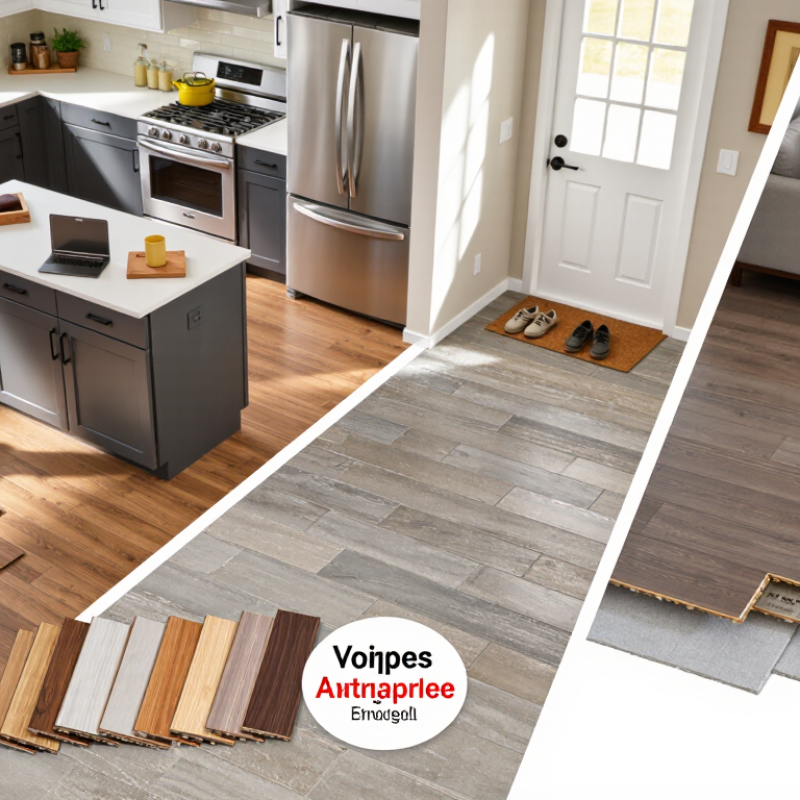
Before choosing vinyl plank flooring, consider how each room is actually used. A quiet guest room has different demands from an entryway crossed by wet shoes, backpacks, and grocery bags. Walk through the space at your busiest time of day. Notice where people turn, pause, or drag chairs. Those spots often show wear first.
Count footsteps. In a hallway or kitchen, frequent traffic makes surface durability and scratch resistance especially important. Compare product specifications, including the wear layer, rather than judging planks by appearance alone. Ask how the flooring handles spills and whether the subfloor needs special preparation. A busy home with children or pets may need a tougher surface, but no plank is immune to sharp grit or heavy furniture. Felt pads help; they are easy to forget.
Room conditions matter, too. Bathrooms and basements can have moisture concerns, so check the flooring’s installation guidance and confirm that the subfloor is suitable. Sunlight can also affect color over time; place a sample near a bright window for several days. I still find myself drawn to the nicest-looking sample first. That is not always the practical choice. Consider who cleans the room, how often, and whether the floor will be exposed to sand, water, or rolling office chairs.
Choose a Core Type and Installation Method
Start with the core, since it affects comfort, stability, and how the floor handles daily use.
SPC has a dense, rigid core that resists dents and temperature-related movement. It can feel firm underfoot, especially over concrete. WPC uses a lighter, foam-like core that often feels warmer and softer. That matters in a bedroom or play area. Neither core fixes a damp or uneven subfloor.
Then match the installation method to the room and your preparation skills.
Click-lock planks usually float above the subfloor, making them practical for many home projects. They need a clean, flat surface and room around the edges to expand. Glue-down flooring stays firmly attached, which can suit busy rooms, but the subfloor must be exceptionally smooth. Small bumps may show through. Measure twice. A rushed installation can leave gaps or raised edges.
I would not choose by core label alone; that shortcut misses the room’s conditions.
Check the product’s installation instructions for moisture limits, expansion gaps, and approved subfloors. In a basement, test for moisture before laying planks, even if the surface looks dry. For a small room, floating installation may be manageable, but doorways and irregular corners still take patience. A slightly softer floor may feel nicer, but it is not automatically the more durable choice.
Select Plank Style, Size, and Surface Texture
Choosing plank style starts with the room, not a display board. Long, wide planks can make a narrow hallway feel calmer, but they may leave awkward slivers at the walls. Measure the room and ask the installer to plan the layout before ordering. In small rooms, a restrained oak or maple look often feels less busy than dramatic knots and high-contrast grain. Still, personal taste matters more than a rule.
Size changes the visual rhythm. Grand View Research’s 2024 report valued the global luxury vinyl tile market at about $24.38 billion in 2023 and projected 7.1% annual growth through 2030. That figure reflects a broad product category, not a specific plank style. Compare sample boards in the actual room, since printed patterns and repeated grain can look different across a full floor. Check it twice. Daylight shifts the color; warm bulbs can make gray tones look beige.
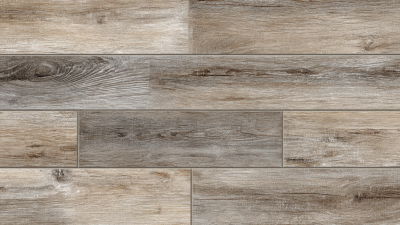
Surface texture affects both appearance and daily care. Embossed grain can make a wood design feel more convincing, while a smoother finish is easier to wipe clean. In a kitchen, examine samples with wet shoes in mind; deep grooves may hold crumbs. Texture claims vary, so ask for product-specific slip-test results rather than relying on appearance alone. I once judged a sample under showroom lights and regretted it at home. Take samples home, view them morning and evening, and notice how the finish feels underfoot.
How to Choose Vinyl Plank Flooring: Style, Size & Surface Texture
Compare representative plank widths to help narrow your options. Actual dimensions vary by product; check the listed measurements before buying.
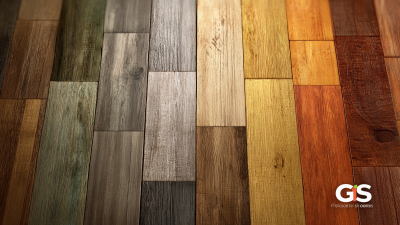
Choosing your look: Wood-look planks suit a traditional or natural style, while stone-look designs create a tile-inspired appearance. Narrower planks can add visual detail; wider planks create a more open look. Smooth surfaces are understated, embossed textures add tactile grain, and embossed-in-register textures align surface detail with the printed design. Consider room size, lighting, desired appearance, and cleaning needs when comparing samples.
Review Durability, Maintenance, Warranty, and Total Cost
Start with the room, not the product label. In a busy kitchen, grit, chair legs, and dropped pans test a floor every day. Check the wear layer, core construction, and published abrasion or impact testing; thickness alone cannot predict performance. Bring a sample home. Rub it gently with a dry cloth, then inspect the finish in daylight. Click the joints together and look for gaps. A small sample cannot reproduce years of use, though it can reveal a flimsy feel or slippery surface.
Read the warranty line by line. Confirm what it covers, how long coverage lasts, and whether water damage, pets, or installation errors are excluded. Keep the receipt and installation instructions. Maintenance matters, too: most vinyl plank floors need sweeping and a damp mop, not abrasive pads or excess water. Verify the care directions before choosing a cleaner. Then estimate total cost, including underlayment, floor preparation, trims, delivery, and labor. Add a little for waste, especially in rooms with awkward corners. It is tempting to compare only the price per square foot. I would resist that shortcut; a lower upfront price may cost more if the subfloor needs work or damaged planks are hard to replace.
How to Choose the Best Vinyl Plank Flooring — Review Durability, Maintenance, Warranty, and Total Cost
| Flooring Type |
Typical Wear Layer |
Durability and Best Use |
Maintenance |
Typical Residential Warranty |
Estimated Installed Cost (USD per sq. ft.) |
Key Cost Considerations |
| Entry-level glue-down vinyl plank |
About 6–12 mil |
Suitable for lighter-use rooms and budget renovations. The wear layer helps resist everyday scuffs, but surface protection and product quality vary. |
Sweep or vacuum regularly; damp-mop with a cleaner approved for vinyl. Avoid abrasive pads and standing water. |
Often about 5–10 years for residential use; check exclusions and coverage terms. |
$2–$5 |
Material costs are generally low. Installation requires a clean, smooth subfloor and adhesive; floor preparation can increase the project total. |
| Mid-range click-lock LVP |
About 12–20 mil |
A practical choice for busy households. The floating click-lock format can simplify installation, while a thicker wear layer generally offers better resistance to everyday wear. |
Use a soft broom or vacuum and a lightly damp mop. Clean spills promptly and use felt pads under furniture. |
Commonly about 10–20 years for residential use, depending on the product. |
$3–$7 |
Installation may cost less than glue-down flooring when the subfloor is suitable. Transitions, underlayment, and removal of old flooring may add expense. |
| Rigid-core SPC vinyl plank |
About 12–20 mil |
Its stone-plastic composite core resists dents and dimensional changes better than many flexible planks. Often considered for kitchens, entryways, and other high-traffic areas; not every product is waterproof at the seams. |
Sweep or vacuum and damp-mop as needed. Protect the floor from grit and avoid steam cleaners unless the manufacturer explicitly permits them. |
Often about 15–25 years for residential use; coverage varies by product and installation conditions. |
$4–$9 |
Rigid planks can bridge minor surface irregularities, but they still require a flat subfloor. Underlayment, leveling, and trim can affect the final cost. |
| Premium rigid-core vinyl plank |
About 20–28 mil |
A thicker wear layer and more detailed surface finish can suit heavily used residential spaces. Overall performance still depends on the core, locking system, installation, and care. |
Routine sweeping and damp-mopping are usually sufficient. Use protective pads and follow the product’s cleaning instructions. |
May offer 20 years to limited lifetime residential coverage; “lifetime” is subject to warranty conditions. |
$6–$12 |
Higher material cost may be offset by a longer service life, but installation, subfloor preparation, and replacement of existing flooring remain significant costs. |
Cost and warranty note: These are broad U.S. planning ranges, not quotes or guaranteed warranty terms. Actual costs depend on location, room size, subfloor condition, removal and disposal, transitions, and labor. Compare the full written warranty, including wear-through coverage, water-related exclusions, and installation requirements.