How to Choose the Best Garden Canopy for Your Needs?
Choosing the right Garden Canopy can be a daunting task. According to Mark Thompson, a leading expert in outdoor living spaces, "The perfect garden canopy must combine functionality and style." This insight underscores the importance of finding a structure that not only protects you from the elements but also enhances your outdoor aesthetic.
When exploring different options, consider your specific needs. Do you need a lightweight canopy for easy setup or a sturdier model for harsh weather? Your choice should reflect how you intend to use it—whether for summer barbecues or cozy evenings under the stars. Each option carries its own strengths and weaknesses, which can sometimes lead to confusion.
It’s crucial to assess the size and design as well. A garden canopy that’s too large can overwhelm your space, while one that’s too small might not offer adequate coverage. As you navigate these choices, remember that the ideal garden canopy should resonate with your personal style while fulfilling practical needs. Reflect on what you truly want, and don’t hesitate to revisit your options.
Understanding Different Types of Garden Canopies Available on the Market
Choosing the right garden canopy involves understanding various types available in the market. Firstly, pop-up canopies are popular for their convenience. These quick setups are ideal for events or picnics. They can provide ample shade but may lack stability in strong winds. Users must assess their space and intended use before choosing.
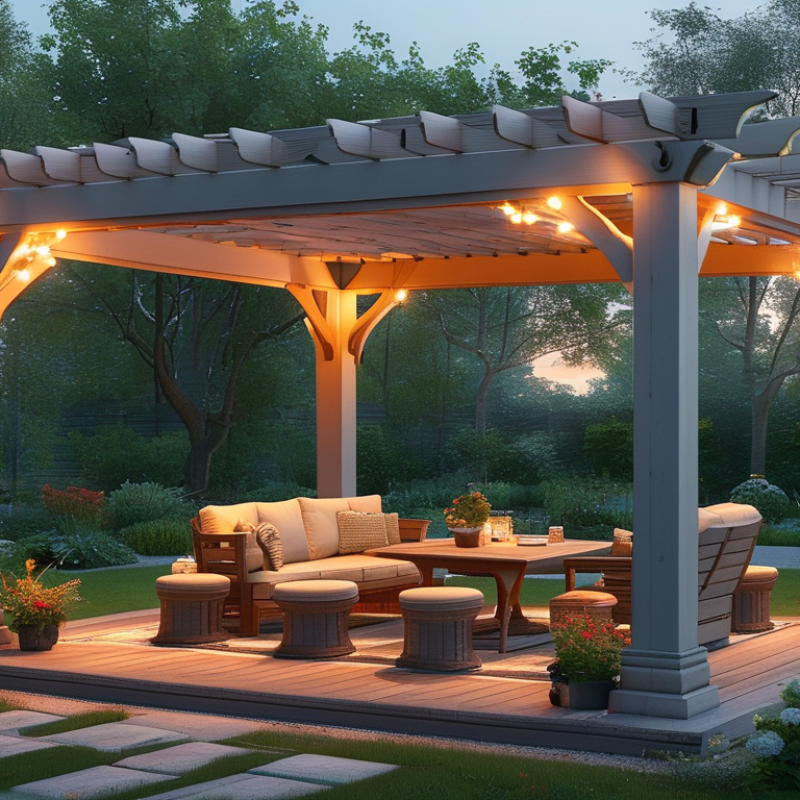
Another option is patio canopies, which offer more style. These can be custom-designed for outdoor aesthetics. They can blend with your garden but often require a more permanent setup. Installation can be complex, and maintenance is essential to ensure longevity.
Sail shades have gained popularity too. They add a unique look to gardens while blocking harmful UV rays. However, proper tension is crucial; otherwise, they can sag. It's essential to consider your climate when selecting shade solutions. Reflecting on these details can lead you to the best choice for your needs.
Evaluating the Material Options for Garden Canopies: Pros and Cons
When selecting a garden canopy, evaluating material options is crucial. Different materials offer unique benefits and drawbacks. For example, fabric canopies provide lightweight and easy assembly. However, they may not withstand harsh weather conditions. Often, fabric can fade over time, losing its appeal.
On the other hand, metal canopies offer durability and stability. They can handle wind and rain better than fabric. Yet, they may be heavier and more complex to set up. They might also require maintenance to prevent rust. Finding the right balance between durability and ease of use is essential.
Another factor is the UV protection level. Some materials block harmful rays effectively. However, this often comes at a higher cost. Cheaper materials may not provide adequate sun protection. It’s vital to consider your specific needs. Whether you prioritize aesthetics or functionality can shape your decision significantly.
Determining the Size and Dimensions of Your Garden Canopy Needs
Choosing the right size and dimensions for your garden canopy is crucial. A well-fitted canopy offers shade, enhances outdoor aesthetics, and provides comfort. According to industry reports, gardens can benefit from canopies that provide at least 50 square feet of coverage for small to medium-sized gatherings. Larger spaces often necessitate canopies upwards of 100 square feet.
Consider your available space. Measure your garden area accurately. Your canopy should fit well within the dimensions of your outdoor setting. Remember to account for furniture, walkways, and other structures. A common oversight is choosing a canopy too small for the intended use, leading to crowded seating.
Tips: Think about the shape. Rectangular canopies suit longer tables, while square canopies work well for compact setups. Evaluate the height too. A clearance of at least 7 feet ensures comfort, especially for taller guests. Reflect on how the canopy’s size affects airflow and sunlight. Overly large canopies can trap heat, while smaller ones may not provide sufficient shade.
Ultimately, the ideal garden canopy balances size, practicality, and comfort for your unique needs. Adjusting your choice based on these factors can significantly enhance your outdoor experience.
Assessing Weather Resistance and Durability for Your Garden Canopy
When selecting a garden canopy, assessing weather resistance is crucial. A canopy must withstand rain, sun, and wind. Strong materials like polyester or vinyl provide good protection. Check the fabric's water resistance rating to ensure it can handle heavy downpours. Some canopies also come with UV protection. This feature can help keep you and your garden safe from harmful rays.
Durability matters just as much as weather resistance. Verify that the frame is sturdy, as weaker frames may bend or break during storms. Consider how often you'll use the canopy. If it's for occasional gatherings, a lighter model may suffice. Regular use demands a robust structure.
You might find some products that claim unbeatable durability. However, frequent exposure to harsh conditions can wear down any material over time. Reflect on how environmental factors affect longevity. Often, personal experiences with your garden will inform your choices. Remember that investing in quality now can save you money later.
Budgeting for Your Garden Canopy: What to Consider Before Buying
When budgeting for a garden canopy, it's essential to assess your specific needs. Determine the area you want to cover. Measure your outdoor space accurately. A larger space needs a more substantial investment. Think about your primary use. Will it be for shade, shelter, or decoration? Knowing this helps narrow down choices.
Consider the materials used in canopies. Some fabrics withstand weather better than others. They can also affect price. Lightweight, cheaper options may wear out faster. On the other hand, durable canopies can cost more upfront. But they often save money in the long run.
Think about seasonal needs, too. If you live in an area with extreme weather, invest wisely. Cheaper options might not weather the storms or the sun. Reflect on how often you'll use the canopy. It might be worth spending more for something you’ll use regularly. Being mindful of these factors will lead to a more satisfying purchase.
Budgeting for Your Garden Canopy
When choosing a garden canopy, it's essential to consider various factors that influence your budget. The following chart illustrates the average costs associated with different types of garden canopies.