How to Choose the Right Swaged Grating for Your Project?
Selecting the right Swaged Grating for your project is crucial. Various industries utilize Swaged Grating for its strength and versatility. It is commonly used in manufacturing, construction, and infrastructure projects. According to a recent report from the Grating Manufacturers Association, the market for metal grating is expected to grow by 5% annually over the next five years.
Industry expert, Dr. John Carter, emphasizes the importance of choosing the right material. He states, "The right Swaged Grating can enhance durability while reducing maintenance costs." This highlights the need for careful consideration in selection. Swaged Grating is available in different materials, including stainless steel, aluminum, and carbon steel. Each has its unique properties, affecting performance, price, and lifespan.
Understanding your project’s requirements is key. Consider load capacity, environmental conditions, and longevity. Not every option will meet your needs. Therefore, analysis of material specifications and project demands is needed. Choosing the incorrect type can lead to project delays and increased costs. Thus, taking a reflective approach is essential in making informed choices about Swaged Grating.
Understanding Swaged Grating: Definition and Applications
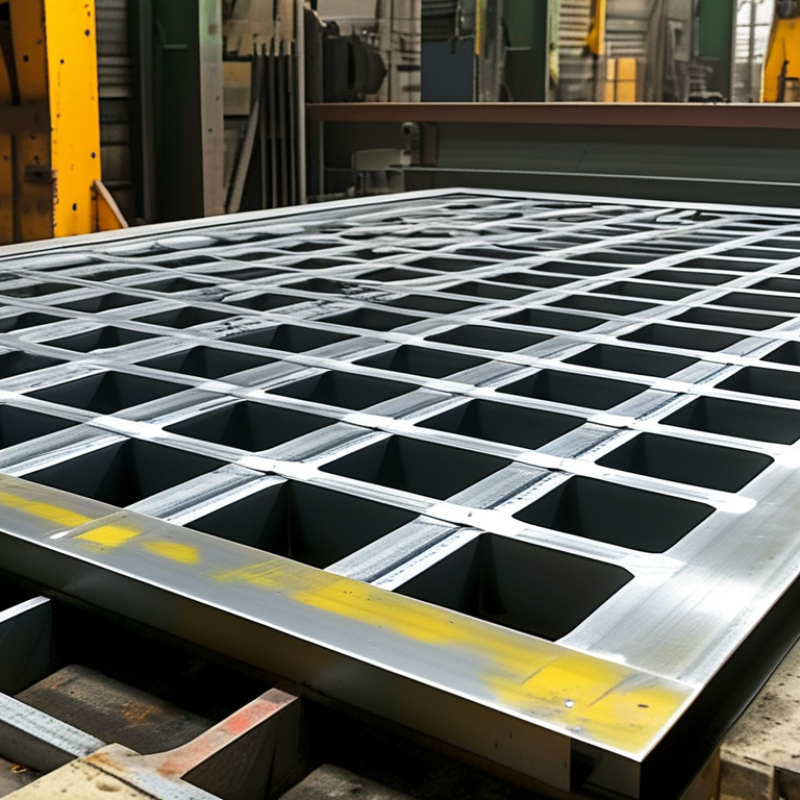
Swaged grating is an essential component widely used in various applications. This product typically refers to metal grates that are shaped through a swaging process. Its design allows for high strength and versatility, making it perfect for industrial flooring, walkways, and platforms. Its ability to withstand heavy loads while providing excellent drainage is particularly advantageous in wet environments.
When considering swaged grating, identify your project requirements. Different environments may demand specific materials such as aluminum or steel. Weather resistance and load-bearing capacity are crucial factors. Explore the bar spacing as well. Proper spacing ensures safety and stability, particularly in high-traffic areas.
**Tips:** Always account for the installation process. Complex installations may require professional assistance.
Consider the surface finish as well. A textured surface can improve traction, reducing slip risks. Finally, weigh the cost against long-term durability. Sometimes cheaper options can lead to higher maintenance expenses.
Choosing the right swaged grating involves careful consideration of these factors to meet the needs of your specific project effectively.
How to Choose the Right Swaged Grating for Your Project?
| Feature | Description | Applications |
| Material | Typically made from aluminum, stainless steel, or carbon steel. | Used in industrial flooring, walkways, and platforms. |
| Load Capacity | Available in various load capacities depending on the design and material. | Suitable for heavy machinery areas and pedestrian traffic. |
| Surface Type | Can be smooth or with non-slip coatings for safety. | Ideal for high-traffic areas where safety is a concern. |
| Standard Sizes | Available in standard sizes or custom dimensions based on project needs. | Flexible for various construction and renovation projects. |
| Installation Method | Can be installed with bolted or welded connections for durability. | Common in permanent and temporary installations. |
Key Factors to Consider When Choosing Swaged Grating
When selecting a swaged grating for your project, several critical factors come into play. The material type is paramount. Common choices include steel and fiberglass. Steel offers exceptional strength. Fiberglass, however, provides corrosion resistance. Consider your project's specific environmental conditions. Will it face heavy loads? Or perhaps exposure to harsh chemicals? These questions will guide your material selection.
Another important factor is the grating spacing. The spacing affects load capacity and safety. It is essential to follow regulations for foot traffic or vehicular traffic. Smaller openings are safer for foot traffic. For industrial applications, larger openings may suffice. Balance safety with functionality based on your project's needs.
Load rating is yet another consideration. Gratings come with various load ratings. Understanding these ratings ensures you select a product that meets your demands. Think about installation procedures, too. Swaged grating can vary in ease of installation. Plan ahead to avoid challenges during installation. A little foresight can save time and resources later on.
Choosing the Right Swaged Grating: Key Factors
Material Options for Swaged Grating: Pros and Cons
When selecting swaged grating for your project, material choice is crucial. Different materials offer unique benefits and drawbacks. Steel is a common choice. It provides excellent strength and durability, making it suitable for heavy-duty applications. However, it may corrode in moist environments. This can lead to higher maintenance costs. Stainless steel is more resistant to rust, but it may come at a higher initial expense.
Aluminum is another popular option due to its lightweight nature. It is easier to handle and install. But, it may not support heavy loads as well as steel. In high-stress areas, it could warp under pressure. Consider fiberglass for environments with chemical exposure. This material is resistant to various corrosive substances, but it may not provide the same strength as metals.
Reflect on your project's specific needs. Each material delivers different performance levels. Understanding the pros and cons helps in making a sound decision. Evaluate your budget, weight requirements, and environmental conditions. These factors should guide your choice in swaged grating materials.
Design Considerations for Swaged Grating in Your Project
When selecting swaged grating, design considerations are critical. Understand the loading requirements of your project. Swaged grating can handle various loads, but not all designs are suitable for heavy-duty applications. Evaluate your specific needs carefully.
Another important factor is the spacing between the bars. A tighter spacing can prevent smaller objects from falling through, while wider spacing offers more light and airflow. Consider safety and foot traffic as key priorities in your design. Visualize how the grating will interact with its environment.
Sometimes, the color and finish matter too. Aesthetic appeal can influence your project's overall success. You might want a finish that blends with surrounding elements or stands out as a feature. Reflect on your choices. Each decision impacts durability, maintenance, and appearance. Achieving the perfect balance takes time and thought, ensuring your project meets both functional and visual expectations.
Maintenance and Durability Factors of Swaged Grating
When selecting swaged grating for your project, consider its maintenance and durability. Swaged grating is often exposed to harsh environments, making resilience crucial. Corrosion resistance is a key factor. Optional coatings can enhance protection and extend the grating's lifespan. Regular inspections should be part of your maintenance routine.
Tips: Schedule maintenance checks after heavy weather. Keep an eye out for any signs of wear. Early detection is crucial to prevent larger issues later.
Another aspect is load capacity. Understand the intended use of the grating. High foot traffic areas require heavier, more durable materials. If used in industrial applications, ensure it meets all local safety regulations.
Tips: Consult with an expert before finalizing your choice. They can provide insights specific to your project’s needs. Also, consider future modifications; flexibility can save time and money down the line.