How to Choose the Right Pipe Adapter Fittings for Your Needs?
Choosing the right Pipe Adapter Fittings is crucial for any plumbing project. According to the American Society of Plumbing Engineers, improper fitting selection can lead to leaks and costly repairs. In fact, industry reports suggest that up to 30% of plumbing failures stem from incorrect fittings. This highlights the importance of making informed decisions.
Pipe adapter fittings come in various types and materials, catering to different applications. Copper, PVC, and stainless steel are common materials, each with unique benefits and drawbacks. Selecting the right material requires understanding your environment. For example, corrosive environments may demand more durable, rust-resistant options. Failure to assess specific needs can lead to future complications.
The process of choosing pipe adapter fittings might seem straightforward, but it requires careful consideration. Many overlook the significance of pressure ratings and compatibility. These factors ensure longevity and performance. Yet, many designs are not universally compatible. A mismatch could result in leaks down the line. Therefore, deliberate reflection on selection processes is vital for durability and safety.
Understanding the Basics of Pipe Adapter Fittings
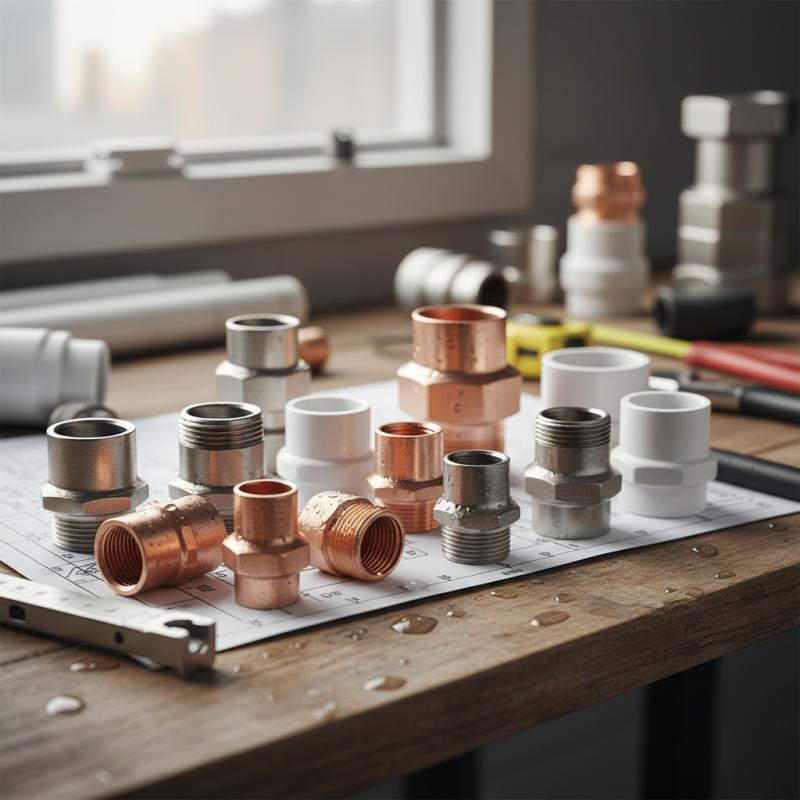
Pipe adapter fittings are essential components in plumbing and piping systems. They help connect different pipe types or sizes, ensuring a seamless flow of liquids or gases. Understanding their basics is crucial for making informed choices. These fittings come in various materials like PVC, copper, and stainless steel. Each material has unique properties that suit specific applications.
When choosing fittings, consider the application and environment. High-pressure systems may require durable materials to prevent leaks. Temperature resistance is also vital, especially in industrial settings. Different types of connections include threaded, slip, and compression fittings. Each type has its unique installation requirements and advantages.
Common mistakes arise from not assessing compatibility. Users may overlook critical details like pipe diameter or pressure ratings. This can lead to poor connections. Take time to evaluate all aspects before making a decision. Understanding the specific needs of your project will help ensure long-term reliability. Knowing when to consult a professional can also save time and money.
How to Choose the Right Pipe Adapter Fittings for Your Needs?
| Type of Fitting | Material | Size (inches) | Pressure Rating (psi) | Temperature Range (°F) |
| Elbow | PVC | 1 | 150 | 32 to 140 |
| Coupling | Copper | 3/4 | 200 | 20 to 250 |
| Adapter | Stainless Steel | 1/2 | 300 | -40 to 400 |
| Reducer | Brass | 2 | 250 | 32 to 180 |
| Tee | PVC | 1 | 140 | 32 to 120 |
Identifying Your Specific Plumbing Needs
When addressing plumbing needs, identifying the specifics of a project is crucial. The right pipe adapter fittings depend on the type and size of pipes you have. A report from the Plumbing Manufacturers International states that approximately 30% of plumbing failures stem from improper fittings. Ensure you measure pipe diameters accurately. Even a slight mismatch can lead to leaks.
Consider your project’s location. For indoor plumbing, you might need different materials compared to outdoor installations. Non-metallic fittings could be ideal for corrosive environments, while metal fittings might offer better durability.
Tips: Always choose fittings that match your pipe materials. For instance, PVC requires compatible adapters. Consulting industry standards can improve the reliability of your installation. Research your local codes to avoid potential pitfalls. Remember, not every style fits every need. An improper connection not only leads to leaks but may also cause extensive water damage. Assess your needs deeply to make informed choices.
Types of Pipe Adapter Fittings and Their Applications
When selecting pipe adapter fittings, understanding the types available is crucial. There are several common types: threaded, slip, flanged, and compression fittings. Threaded fittings offer a secure connection but require precise alignment. Slip fittings allow for quick adjustments, making them ideal for temporary setups. Flanged fittings provide stability for larger pipes, but they can be cumbersome. Compression fittings are useful for securing pipes without welding, but they may not hold in high-pressure situations.
Different applications necessitate different fittings. For plumbing repairs, threaded and slip fittings are often sufficient. In industrial settings, flanged fittings are preferred due to their strength. Compression fittings work well in gas and water lines where flexibility is essential. Each type comes with its unique advantages and challenges. Pipe materials also play a role in fitting selection. Compatibility with PVC, metal, or rubber is vital for avoiding leaks and ensuring safety.
Sometimes, the chosen fitting does not perform as expected. Issues can arise from improper installation or mismatched materials. It's essential to double-check specifications and seek advice from a knowledgeable source when in doubt. Effective selection requires careful consideration of these factors to achieve long-lasting results.
Material Considerations for Pipe Adapter Fittings
When selecting pipe adapter fittings, material is a critical factor. Different materials offer varying strength, flexibility, and corrosion resistance. For instance, metals like stainless steel withstand high pressures and harsh environments. They are ideal for industrial applications. However, they can be heavy and expensive.
On the other hand, plastic fittings are lightweight and cost-effective. They resist rust and are easy to install. Yet, they may not hold up well under extreme temperatures. It's essential to evaluate the specific conditions in which the adapter will be used.
Choosing the wrong material can lead to leaks or failures. This mistake could compromise safety and efficiency. Gathering information about the installation environment helps prevent such issues. Understanding your needs and the material properties ensures a reliable and effective solution.
Key Features and Specifications to Evaluate When Selecting Fittings
When choosing pipe adapter fittings, key features and specifications are crucial. Start by assessing the material compatibility. Fittings can be made from PVC, brass, or stainless steel, each with unique properties. According to a 2022 industry report, over 60% of failures are due to material mismatch. Always verify if the fitting can withstand your application's specific temperature and pressure conditions.
Size and thread type are also critical. Standard sizing ensures a proper fit. Misalignment can cause leaks. The American Society for Testing and Materials (ASTM) recommends checking thread compatibility to avoid costly mistakes. Small adjustments in measurements can lead to significant issues down the line.
Flow capacity is another vital aspect to consider. A fitting with inadequate flow capacity can restrict performance. In some cases, this oversight leads to inefficiency, affecting energy use by up to 30%. Analyzing the flow requirements of your system will help you select the correct fittings effectively. Prioritize gathering precise data for your project.