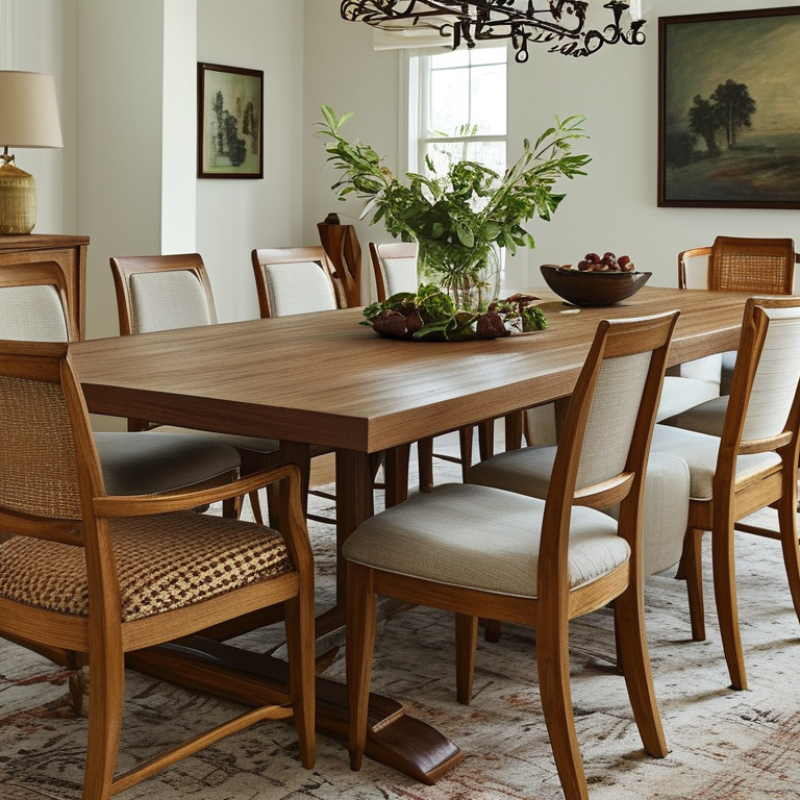
How to Choose the Best Dining Room Furniture for Your Home?
Choosing the right dining room furniture can transform your home. Renowned interior designer Sarah Johnson emphasizes, "The right pieces can define a space and create lasting memories." Your dining room must reflect your style while being functional.
Selecting dining room furniture involves personal preferences. Consider your lifestyle, family size, and how you entertain guests. A large table may suit gatherings but could overwhelm a smaller space. Comfort is key; choose chairs that invite long conversations.
Color and material matter too. Wooden tables evoke warmth, while glass can create an airy feel. Think about durability, especially if you have children or pets. Not every piece will fit perfectly. Take time to explore various options. Remember, dining room furniture should be an extension of who you are. Aim to find pieces that balance aesthetics and practicality.
Understanding Your Dining Space: Measurements and Layout Considerations
When planning your dining room, measuring the space is crucial. A recent survey found that 45% of homeowners underestimate their dining area size. Accurate measurements help ensure furniture fits comfortably. Aim for at least 36 inches between the table and walls or other furniture. This distance allows diners to move freely.
Consider the layout next. A rectangular table often works in long, narrow spaces. Meanwhile, a round table suits smaller or square rooms well. An industry report indicates that flexible seating arrangements enhance social interactions. It suggests that an expandable table can adapt to various occasions. This versatility is essential for families or those who entertain often.
Reflect on storage options, too. Many dining areas lack adequate storage. The National Association of Home Builders states that around 60% of homeowners want functional storage. Sideboards or buffets can house dinnerware and linens, keeping the area clutter-free. Balance style, function, and comfort for a successful dining room design.
How to Choose the Best Dining Room Furniture for Your Home?
This chart illustrates the percentage of different types of dining room furniture preferred by homeowners based on recent survey data. The data reflects common preferences for dining tables, chairs, and storage options.
Material Matters: Evaluating Wood, Metal, and Upholstery Choices
When selecting dining room furniture, material choice is crucial. Each material brings its own character and durability. Wood, for instance, is timeless. It can range from classic oak to more modern teak. Each type has its charm and unique grain patterns. However, wood can be prone to scratches and water damage. You might appreciate the warmth it gives but consider the maintenance it requires.
Metal furniture can offer a sleek, contemporary look. It is often more resistant to wear and tear. Steel and aluminum options are popular for their durability. However, metal can feel cold and uninviting. Balance is key when mixing materials in your dining area. Upholstered chairs add comfort and style. They come in various fabrics, which breathe life into the room. But, you should think about cleaning needs. Stains can easily become a headache. Choosing the right balance of comfort and practicality is essential.
Reflect on how you use your dining room. Are these pieces only for show or frequent use? Your lifestyle will greatly influence your choices. Don't rush the decision; take time to explore different materials. Visit showrooms and feel the textures. This hands-on experience adds insight beyond just aesthetics.
Selecting the Right Style: Matching Furniture with Home Décor
When selecting dining room furniture, style is paramount. The right furniture should resonate with your home décor. For example, contemporary homes often benefit from sleek, minimalist designs. A report by the Furniture Industry Association indicates that 70% of consumers prioritize aesthetic harmony when purchasing furniture.
It's essential to consider color palettes that complement your existing décor. An enchanting contrast can elevate the overall ambiance. Dark woods may suit a rustic theme, while light pieces can brighten a modern setting. However, striking a balance is key. Too many styles can create chaos rather than harmony.
Functionality must align with beauty. A well-designed dining table should not only be attractive but also practical for daily use. Gatherings can feel cramped if the size is inappropriate. In fact, a survey shows that 65% of homeowners regret choosing a table that lacked sufficient space. Thus, matching style with utility is as crucial as matching it with décor.
Comfort and Functionality: Importance of Ergonomics in Dining Furniture
When selecting dining room furniture, comfort is crucial. Ergonomics plays a significant role in promoting well-being during meals. A well-designed chair should support your back while encouraging a natural posture. It should invite relaxation. For instance, chairs with breathable upholstery can keep you comfortable for extended periods.
Functionality is another essential element. Consider tables that accommodate various needs. Extendable tables can be perfect for gatherings. Remember, a table's height affects comfort too. Ensure it matches the height of your chairs to avoid strain. It's not just about style; practical choices significantly enhance your dining experience.
Reflect on your daily habits. Do you often have long dinners or casual breakfasts? Understanding your needs informs better choices. Sometimes, we overlook how furniture shapes our interactions. Take the time to test different options. Sit on chairs, adjust heights, and observe how they feel. These simple actions can lead to more satisfying meals at home.
Budgeting for Quality: Average Costs and Investment in Dining Furniture
When budgeting for dining room furniture, it is crucial to understand average costs. A well-planned budget can transform your dining space beautifully. Dining tables vary widely in price, from affordable options under $500 to high-end pieces that can exceed $2,000. Chairs also fall into a similar range, making it essential to prioritize your needs.
Investing in quality furniture pays off in the long run. Choosing durable materials may increase initial costs but can prevent future replacements. Opt for solid wood or metal frames, which withstand everyday use better than cheaper alternatives. These materials offer comfort and longevity, providing peace of mind for your investment.
Tips: Measure your space before making a purchase. A table too large can overwhelm a room. Consider functionality as well, such as extendable tables for hosting gatherings. Investing in a few well-crafted pieces rather than a complete set often results in a more personalized aesthetic. Reflect on your lifestyle and how you use your dining area, ensuring your choices align with your daily needs and overall design vision.