

What Is the Best Walking Umbrella for 2026?

Choosing the best Walking Umbrella for 2026 is less about finding the largest canopy and more about matching real-world weather with a design you can carry comfortably. A long handle can feel steady on a windy pavement, but it may be awkward on a crowded train. A compact frame saves space, though it can leave your shoulders exposed. Small details matter: grip shape, opening mechanism, canopy coverage, and how easily the umbrella fits beside a wet coat.

Weather trends give this choice practical context. The World Meteorological Organization’s State of the Global Climate 2024 describes an increasingly intense and erratic water cycle, including heavy precipitation events. NOAA’s 2024 U.S. Billion-Dollar Weather and Climate Disasters report counted 27 disasters with losses of at least $1 billion each. These reports do not measure umbrella performance. They do show why dependable rain protection is worth considering, especially for people who walk or commute outdoors.

A useful comparison should separate tested features from marketing claims. Look for clear information about frame construction, canopy dimensions, weight, and wind testing; then consider how each model feels during an ordinary walk. That last part is easy to overlook. A sturdy umbrella that is tiring to hold may stay at home, which rather defeats the point. No single model suits every route, hand, or forecast. The guide ahead weighs those trade-offs and explains what to check before choosing a Walking Umbrella for 2026.
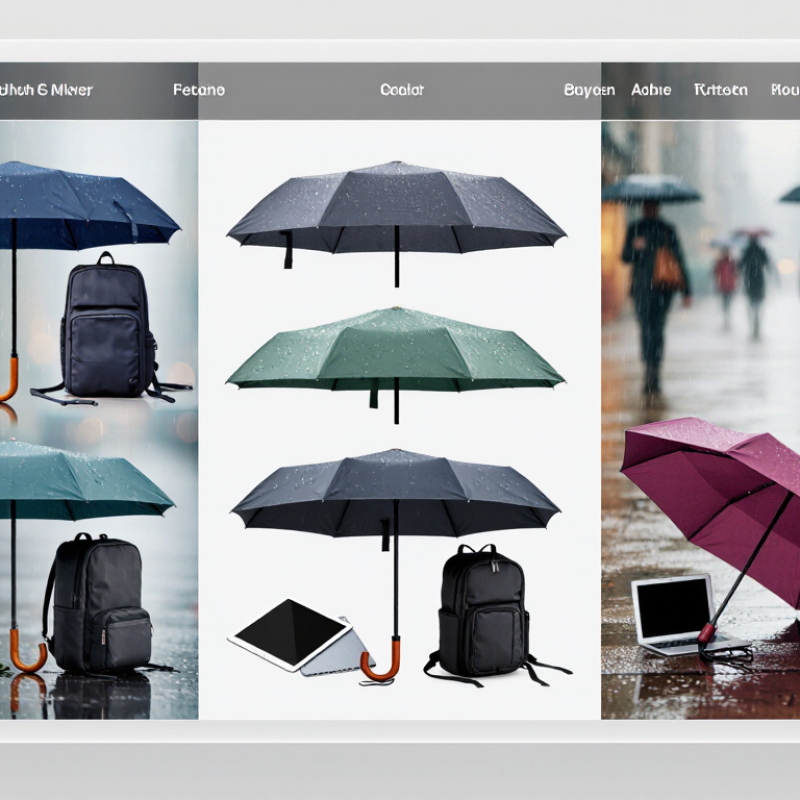
What Is the Best Walking Umbrella for 2026?

What Defines a Walking Umbrella in 2026?

What defines a walking umbrella in 2026 is not a new gadget; it is dependable comfort on everyday routes. Unlike a tiny bag umbrella, it usually has a longer shaft and a steady handle. The canopy should cover your shoulders and a small bag. That matters. Choose a closed length you can carry beside a coat or tuck near a bus seat. An umbrella that feels awkward may soon stay at home.

Look for a frame that flexes without feeling loose, plus a runner that opens smoothly with one hand. Fabric should dry reasonably fast and resist sagging after repeated showers. Weight is a trade-off: a heavier frame may feel stable, but tiring on a long walk.

Check the stitching, canopy tips, and handle joints; small faults can become annoying. No umbrella is stormproof. Wind claims vary, so judge them cautiously and avoid using any canopy in dangerous gusts. The ideal choice still depends on your route, and there is no single best shape.

Tips: Open it at home, walk a few steps, and test the grip with damp hands. After rain, leave it open to dry. Easy to forget, honestly.

Which Features Matter Most in a Walking Umbrella?

A walking umbrella should keep rain off without making each step awkward. Look for a canopy wide enough to cover your shoulders and bag, but not so broad that it catches every gust. A vented canopy can release some wind pressure; sturdy ribs and a flexible shaft matter more than a dramatic “stormproof” claim. Check the open-and-close action with one hand, then test the handle: a wet, narrow grip can feel slippery after several blocks. Weight counts, too. A heavy frame becomes tiring when you carry it all afternoon.

Fabric claims deserve a closer look. ISO 811:2018 describes a hydrostatic-pressure test for measuring fabric resistance to water penetration, though it does not certify an entire umbrella. Ask whether performance applies to the canopy seams as well. Visibility is another practical feature, not decoration. NHTSA’s Traffic Safety Facts: Pedestrians, 2022 Data reports 7,522 pedestrian deaths in U.S. traffic crashes that year. A bright canopy or reflective trim may help others notice you, but it cannot replace attentive walking. That matters. I would not choose a model by wind claims alone; real gusts, crowded sidewalks, and a cramped entryway expose flaws that a neat specification sheet may miss.

What Types of Walking Umbrellas Are Available?

Walking umbrellas generally fall into four useful types: classic stick, compact folding, wind-vented, and oversized canopy models. A stick umbrella has a long shaft and usually opens quickly, but it takes more room beside a café chair or on a crowded bus. Folding models fit in a tote, though their shorter handles can feel less comfortable on a long walk. Small detail, big difference.

Vented canopies let some air pass through overlapping panels, which may reduce pressure during gusts; they are not storm-proof. The National Weather Service’s Beaufort Wind Scale describes 25–31 mph winds as strong breezes that move large branches and make umbrella use difficult. That is a useful reality check: canopy design cannot replace sensible shelter in severe gusts. An oversized canopy gives better coverage for a bag or a companion, but catches more wind and can block other pedestrians’ view.

For everyday routes, compare canopy width, handle grip, open-and-close mechanism, and folded length—not just the rib count. Fiberglass ribs are often chosen for flexibility, while metal frames can feel sturdier but may add weight; construction varies, so material alone is no guarantee. A reflective strip can help visibility in dim rain, though it does not make a person conspicuous from every angle. There is no perfect type. It is easy to prioritize compactness, then regret a cramped shoulder under a narrow canopy.

How to Compare Walking Umbrellas for Everyday Use

What Is the Best Walking Umbrella for 2026?

A walking umbrella should open smoothly, cover your shoulders and bag, and feel balanced after several wet blocks. Compare canopy width, closed length, handle shape, and weight—not just the frame’s appearance. NOAA’s 1991–2020 U.S. Climate Normals provide monthly precipitation averages by weather station. Check your local station’s figures to understand when rain is most common; a compact canopy may suit short, light showers, while regular wet commutes call for broader coverage. Rainfall averages do not predict every downpour, though. Small details matter.

For daily use, test the opening mechanism with one hand and check whether the handle stays comfortable when gripped firmly. A curved handle can hang from a wrist or hook, but it may feel bulky in a crowded train. Look for a canopy that sheds water cleanly, plus a sleeve that contains drips after use. ISO 811 describes a laboratory method for measuring fabric resistance to water penetration; it can offer useful context, but it does not certify an entire umbrella. I would not overvalue a wind rating without knowing how it was tested. That part is easy to miss. A sturdy shaft also adds weight, and I still find that trade-off less obvious online than in hand. Try to compare packed size and total weight against the space in your usual bag.

How to Choose and Maintain the Right Walking Umbrella

A good walking umbrella should feel steady in your hand, not merely look sturdy. Choose a canopy wide enough to cover your shoulders and bag, but not so broad that it catches every gust. A curved handle can rest comfortably over your wrist, while a straight shaft may feel easier to guide on crowded sidewalks. Test the opening mechanism before buying. It should move smoothly without a hard snap. Small details matter. Check that the handle stays secure and the ribs do not wobble when the canopy is open. A lighter umbrella is easier to carry, though an extremely light frame may feel less stable in rough weather.

Care affects how long an umbrella remains useful. After a rainy walk, shake off excess water and leave it open until the fabric and folds are dry. Closing it while damp can leave a musty smell; I have made that mistake. Wipe dirt away with a soft cloth and mild soapy water, then let the umbrella air-dry. Avoid forcing the ribs or twisting the shaft to shake it dry. Once in a while, inspect the tips, seams, and joints for looseness or small tears. A loose screw may be easy to tighten, but damaged ribs deserve attention before the next windy commute. Don’t store it near a heater. Warm air can stress fabric and plastic parts.

Scroll to Top